EBRD calls for faster renewable energy rollout, grid modernisation in Georgia
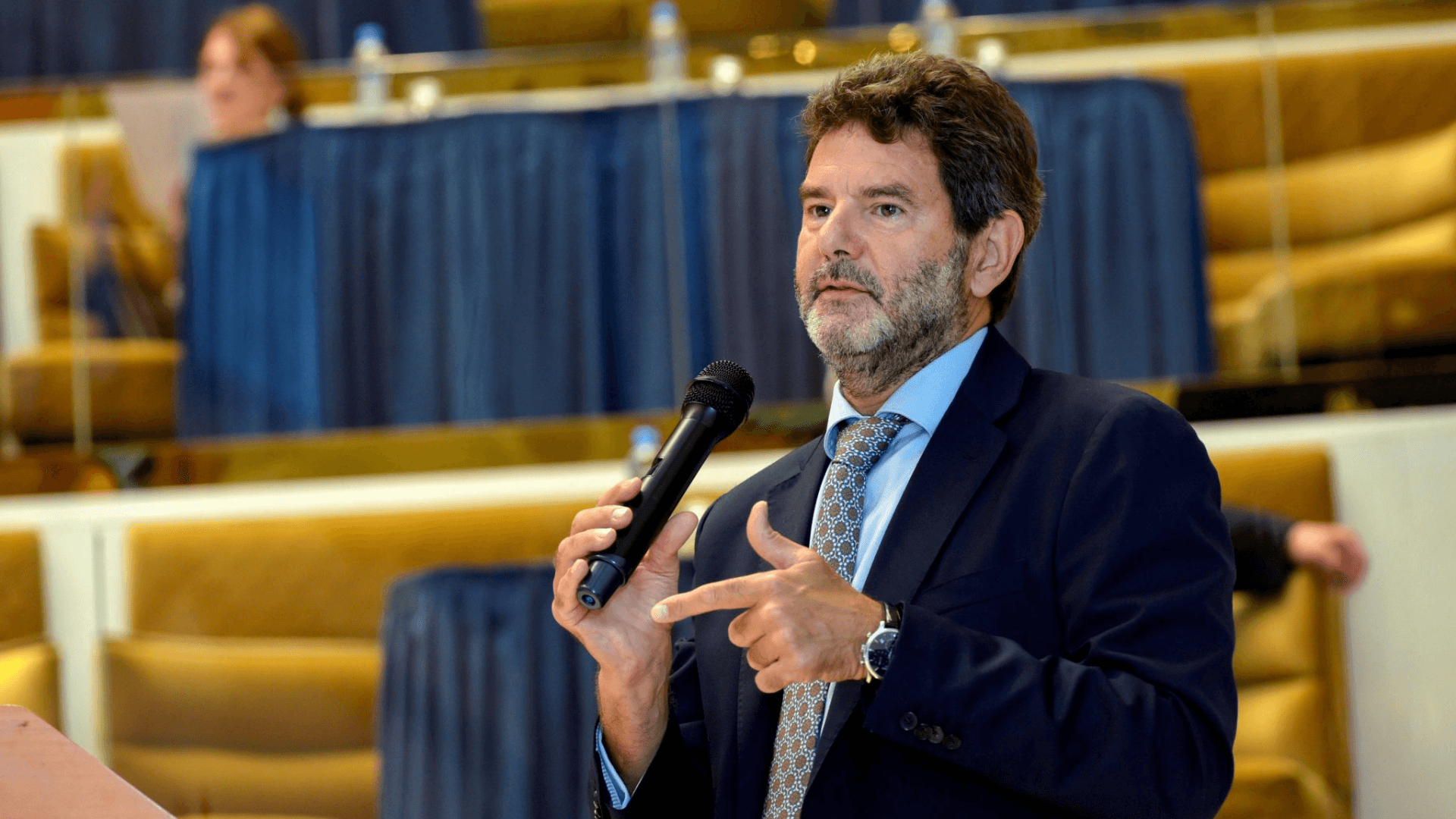
Drakinos stressed that investment in human capital was also essential

Author
Front News Georgia
The European Bank for Reconstruction and Development (EBRD) has said that accelerating the deployment of renewable energy and modernising electricity transmission networks is critical for strengthening energy security and unlocking export potential in the South Caucasus.
In an exclusive interview with Business Insider Georgia, the EBRD’s Regional Director for the Caucasus, Alkis Vreinios Drakinos, highlighted the strategic importance of large-scale infrastructure projects, including the planned Black Sea subsea power cable linking the region to Europe.
He said the initiative could play a transformative role by enhancing cross-border energy connectivity and positioning the region as a supplier of clean electricity to European markets, in line with global decarbonisation goals.
Drakinos stressed that investment in human capital was also essential. He said scaling up vocational education and digital skills would be necessary to support growth in the ICT sector and green industries, adding that Georgia’s ambition to become a logistics and energy hub depends heavily on harmonised standards and upgraded infrastructure.
According to the EBRD official, modernising electricity transmission systems in both Georgia and Armenia was vital to ensure the efficient integration of variable renewable energy sources, including hydropower, wind and solar.
“Investments in smart grids, energy storage solutions and upgraded transmission lines will enable more reliable and efficient electricity flows across borders,” he said, noting that the EBRD was supporting such projects through financing and technical assistance while adhering to international environmental and social standards.
Beyond energy, Drakinos pointed to significant potential in transport infrastructure, particularly multimodal logistics corridors involving Armenia and Georgia’s port infrastructure. He said these projects could strengthen the region’s role as a transit hub within the Middle Corridor, which connects Central Asia with Europe.
He added that upgrades to roads, railways and ports, alongside the digitalisation of customs and border systems, would help reduce trade costs and improve resilience amid geopolitical risks.
Tags: