Security expert Gotsiridze: ‘this is form of terror Russia uses to intimidate Ukrainians and Zelenskyy’

Author
Frontnews Georgia
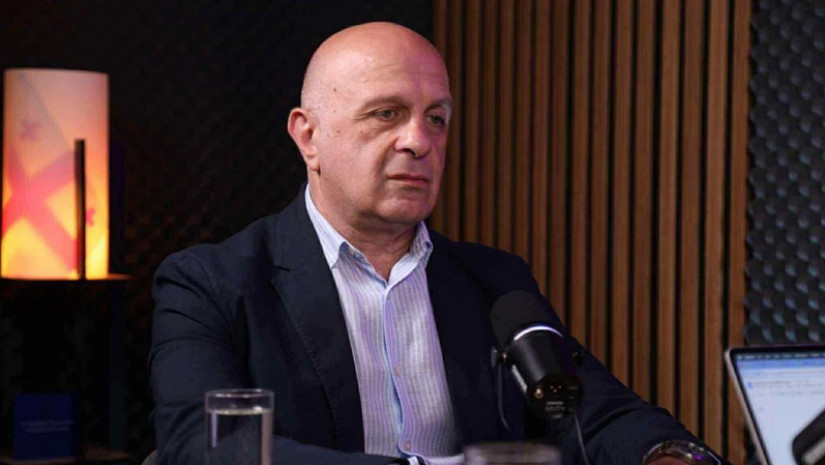
Security expert Andro Gotsiridze analyses the collapsed peace-deal talks between the United States and Ukrainian delegations in Miami this weekend and assesses the prospects for ending the war in Ukraine in an interview with Front News.
Gotsiridze says Ukraine will not voluntarily cede territory until it receives full security guarantees - a factor that, in his words, directly prolongs Russia’s “special military operation”. He discusses the objective and subjective motives behind the new US peace proposal, potential pressure on Ukrainian President Volodymyr Zelensky using corruption narratives, the issue of frozen Russian assets and the growing threat of drone surveillance.
He also criticises the Georgian Government’s response to allegations of Camite use during the last year’s antigovernment demonstrations and says the refusal to release documentation deepens suspicion and serves the Government’s political agenda of demonising the West.
Q. The meeting in Miami ended without progress. What kind of negotiations are we seeing?
A. Right now the US is trying to draft a peace plan acceptable to both sides, otherwise no agreement is possible. We know the original 28-point plan was unacceptable to Ukraine. With European partners, it was revised to 19 points. Now this version is unacceptable to Russia, because an authoritarian regime fears it could weaken its military position and any retreat would boomerang back on [Russian President Vladimir] Putin and Russia.
If Ukraine does not receive proper, robust security guarantees, I am convinced no peace plan will be agreed upon.
Q. Dmitry Peskov [press secretary to Russian President] says Russia will continue the ‘special military operation’ if its goals cannot be met peacefully. Is Moscow ready for genuine talks and what conditions might it propose?
A. I do not expect the war to end at this stage. Ukraine will not withdraw its forces unless it receives major, tangible guarantees from Russia and the international community. It does not matter who leads Ukraine -Zelenskyy or someone else - the country will never voluntarily hand over its territory.
So Russia’s statement that it will continue the war only reinforces my view: the war will not end now.
Q. Some Western media predict Zelenskyy could resign after [Andrii] Yermak’s [former Head of the Office of the President of Ukraine] departure. Could the US use corruption allegations to pressure him?
A. The current US administration clearly wants a peace agreement, for both subjective and objective reasons. Subjectively, [US President Donald] Trump sees it as a major personal and image-defining achievement. Objectively, the economic burden is getting heavy, for Europe as well, and supporting this war has become a strain.
But regardless of who leads Ukraine or what pressure is applied, no Ukrainian government can sign a deal that harms the country or is unacceptable to its people.
Q. The EU is considering transferring frozen Russian assets to Ukraine. Moscow calls this ‘theft’ and an act equivalent to a casus belli. What risks do you see?
A. I do not expect Russia to launch military action against Europe over this. The Kremlin is likely referring to Western businesses still operating in Russia, hinting that those assets might be seized. They also invoke international law, where the defeated party must return frozen assets to its adversary.
This is why Europe acts cautiously, trying to stay within international legal frameworks. But this caution emboldens Moscow, making it believe Europe will bow to blackmail.
Q. A drone appeared near Zelenskyy’s plane in Ireland [this week]. How common are such incidents and who might be behind this one?
A. This is Russia escalating its provocative and aggressive tactics. It is a form of terror aimed at intimidating Ukrainians and Zelenskyy himself. We see Russia using drones to intimidate Europe as well. Such actions are neither surprising nor unexpected. The risks are real and if Russia wanted to attempt something, no one would be shocked.
Q. The Georgian Government dismisses the BBC investigation about the alleged use of the World War I–era banned chemical agent Camite as an opposition-driven smear. How can the Government convince the West and the public it did not use this substance?
A. The Government could have ended the speculation very easily - by publishing the procurement documents and the operational orders for the substance actually used to disperse protesters.
The deeper the authorities sink into political debate, the more suspicion arises that something prohibited may indeed have been used. Anyone who has worked in these structures knows that police operations are never carried out “verbally”. Every order is documented, signed and archived, especially when chemicals are used.
There are protocols, standard procedures and agreements. Such substances do not just “sit in a warehouse”. Their use is documented like weapons tracking.
At the same time, the Government uses every such situation to discredit the West. They use these controversies to accuse Western countries of “blackmail against Georgia”, framing themselves as victims of “global war” narratives. They have long been engaged in demonising Europe.
Q. Do you think the Government might eventually publish the documents?
A. Yes, that is one likely scenario. They probably do have the documents, but for now they find this political tension useful as a tool for attacking the West. They will portray themselves as victims of Western pressure and later they might indeed release the documentation showing what substance was actually used.
Tags:
Andro Gotsiridze