
Georgia’s former FM Menagarishvili: sooner or later, we’ll still have to talk to Russia
interview
1885

Author
Front News Georgia
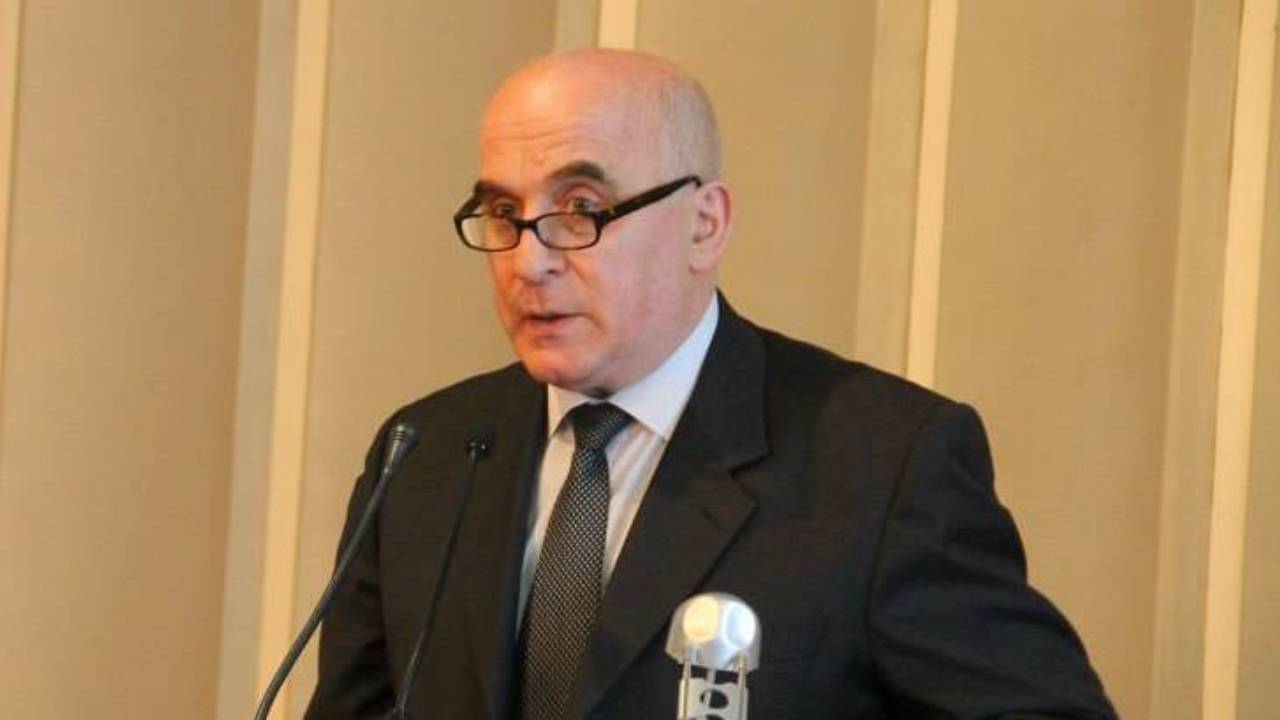
Georgia’s former Foreign Minister Irakli Menagarishvili said the need for dialogue with Russia stems from geopolitical reality, despite the fact that negotiations with Moscow are extremely difficult. In an interview with Front News, Menagarishvili commented on criticism surrounding a photo of Prime Minister Irakli Kobakhidze taken alongside Russian President Vladimir Putin at the Ashgabat forum earlier this week, saying that standing in a protocol-designated place is not a subject for criticism, especially if the country’s national interests are safeguarded at the same time. The analyst stresses that dialogue with the “enemy” is inevitable if Georgia is to achieve the de-occupation of its territories, a view that global players increasingly share amid the war in Ukraine.
Q. Some analysts and members of the public argue that there is nothing wrong with Georgia talking to Russia about the return of its occupied territories. Given the geopolitical situation, it is clear that both the US and Europe are forced to talk to Russia. What kind of dialogue with Russia is possible?
A. Yes, Russia and Putin are extremely difficult to engage with through dialogue and negotiations in order to achieve anything and we Georgians have known this for a long time, unlike Europeans and Americans. I see no grounds to criticise the Prime Minister or any Georgian Government representative for standing next to Putin at an international forum, even if he is considered a global monster and an enemy for Georgians. I believe that if necessary, you must talk even to the enemy, because there is no alternative. The Prime Minister was simply standing in a protocol-designated place and had no informal communication with Putin.
Nor did he shy away from stating that Georgia’s territories are occupied. At the same time, he highlighted peace and the peaceful return of those territories. These were correctly delivered diplomatic messages, which I believe Putin understood very well.
Q. The ruling team says that if even [Ukrainian President] Volodymyr Zelenskyy is ready to meet Putin and talk to him about the return of Ukrainian territories or a ceasefire, why shouldn’t Georgia also attempt direct communication with Russia? Do you think the Georgian Dream Government may be preparing for such steps?
A. Sooner or later, we will still have to talk to Russia, and if this becomes necessary for the de-occupation of our country, we must take that step. Communication with Russia will be unavoidable, otherwise, it is clear that this conflict cannot be resolved. The war in Ukraine has also shown that without talking to and reaching agreements with Russia, nothing will happen. Neither Europe nor America can end the war without dialogue with Russia. I do not see anything extraordinary or catastrophic in this.
Q. A few days ago, we heard the position of Russian Foreign Minister Sergey Lavrov, who once again called on Georgia to recognise de facto Abkhazia and South Ossetia. In what format and what kind of dialogue is possible when Russia does not yield its positions and the Georgian Government is not prepared to make concessions either?
A. Russia’s current interest is to have peaceful neighbours and stable borders with neighboring countries. Achieving this with Georgia is possible only if Russia withdraws from Georgian territory, if it abandons control over the occupied territories seized through aggression. I think that against the backdrop of the war in Ukraine, managing and maintaining occupied territories has already become difficult and burdensome for Russia.
Sooner or later, the Russians will come to the conclusion that cooperation with Georgia is more important and necessary for them than dealing with these de facto authorities, which only create more problems. Therefore, we must be prepared for this situation. We must stand firmly by our position and not retreat under any circumstances. Nothing is impossible in this major geopolitical reshuffling.
Q. Tbilisi has firmly rejected a Moscow-initiated plan involving the construction of a new customs terminal near the Enguri bridge in occupied Abkhazia and the launch of cargo transit. The Georgian Government sent a clear message to the Kremlin: Georgia will not allow cargo bound for Russia to pass through Abkhazia and even discussing the recognition of the so-called “state border” is out of the question. Do you think some kind of behind-the-scenes bargaining could take place on this issue?
A. It is difficult to say whether any behind-the-scenes negotiations are taking place on this matter. This issue requires serious consideration and analysis. Of course, Georgia is very important to Russia now in terms of cargo transit and serves as a key route. However, the Government’s stance is correct: Russia’s old approach - demanding that Tbilisi recognise the independence of de facto territories while simultaneously allowing Russian cargo to pass through Georgian territory - is simply unimaginable absurdity. The position expressed by the Georgian authorities is entirely appropriate. Allowing this would amount to Georgia recognising the occupied territories.
Q. Negotiations related to the war in Ukraine are actively underway and many believe that Georgia could also appear on the US–Russia agenda. That is, during this redistribution process, it may become clear which direction Georgia will take…
A. Yes, it is difficult to say how the Caucasus, including Georgia, will be considered in these negotiations. But nothing should be ruled out. We must protect our interests and use our geopolitical opportunities. The interest in and need for Georgia is our trump card, which we must be able to use. Sooner or later, the Georgian issue will become very active and open. US policy will also become clearer. Therefore, we must be prepared for everything. The Black Sea, Georgia and Ukraine are organically interconnected.
Q. Do you think this interest from the US is already becoming more apparent? For example, the recent activity of the acting US ambassador, who met Georgian officials regarding Zangezur, the so-called “Trump Corridor”. Also, a representative of the Trump administration visited Tbilisi. Do you expect this interest to grow further?
A. Georgia is a very important and key country in the Caucasus. Georgia’s role is crucial for the full operation and utilisation of the Zangezur corridor. We know that the Port of Poti is also within the sphere of interest. Activating this corridor is very important for the Americans, and naturally, Georgia is a vital country in this context. We must also use these opportunities. As I mentioned, we must play in a way that suits our country and our people.
Relations between Georgia and the United States should return to their long-standing, normal partnership. Therefore, for several reasons, I believe the Trump administration will strive for this and even the blocking of the Megobari Act can be viewed through this lens.


News