President Kavelashvili: Georgia has not abandoned EU path but questions Brussels’ credibility
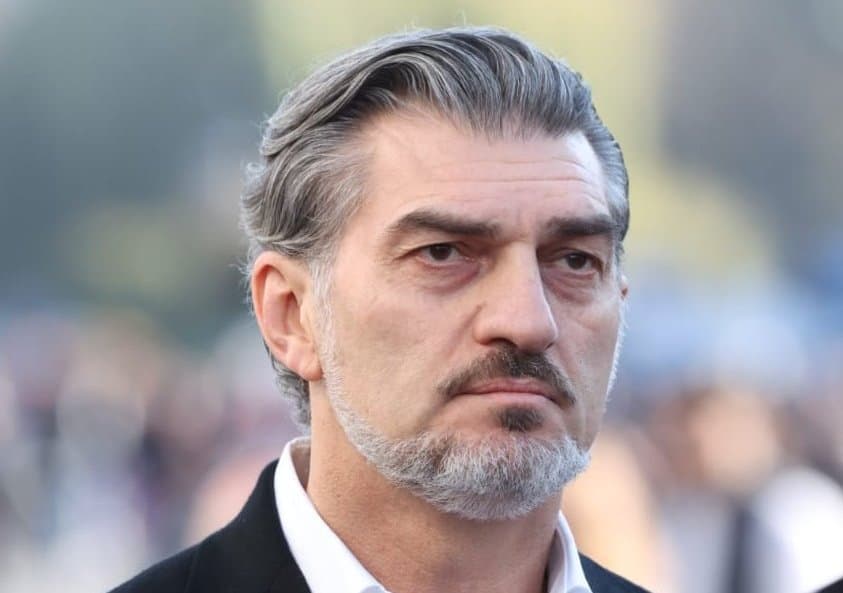
Kavelashvili added that for Georgia, EU membership must serve the protection of national values, traditions and interests

Author
Front News Georgia
President Mikheil Kavelashvili has said Georgia had never turned its back on European Union membership and did not distance itself from the EU, stressing that the country still sees accession as a possibility and a strategic objective.
Speaking on the television programme Imedi Live, Kavelashvili said the EU should be viewed as a means to strengthen Georgia, rather than an end in itself.
“We have never turned our backs, nor are we distancing ourselves from EU membership now. On the contrary, we say that we have both the opportunity and the goal to prepare, guided by the values around which our entire nation is united,” he said.
The president argued that the European Union should not be defined by the views of individual officials. “It is not acceptable that the whole of Europe and its values are determined by the opinion of a single Member of the European Parliament or the President of the European Council,” he said.
Kavelashvili added that for Georgia, EU membership must serve the protection of national values, traditions and interests. “For us, the European Union is a tool to make our country stronger - to ensure our values, traditions, national interests and sense of justice function as a unified mechanism,” he said.
He also claimed that assessments and statements from EU institutions have lost credibility among the Georgian public. According to the president, messages from European officials no longer carry the same weight they did several years ago.
“Our relations with the EU change almost every week or month. However, it is positive that Georgian citizens now see the real face of the EU and its bureaucracy,” Kavelashvili said, specifically referring to EU foreign policy chief Kaja Kallas.
He accused European institutions of applying double standards, showing unfair treatment and interfering in Georgia’s elections, arguing that these actions have shaped public attitudes towards the EU. Kavelashvili said this reflects a broader crisis within the European Union.
He pointed to “tensions between major EU member states,” including disagreements between Germany and France, and cited criticism from the United States, as well as comments from leaders in Hungary and Slovakia, as signs of a wider crisis within the bloc.
“We have consistently called on the EU to be constructive, fair and to treat us as equals - precisely for those reasons why we aspire to become an EU member,” Kavelashvili said.
Tags: