President Kavrelashvili: Government ‘never abandoned’ EU membership goal
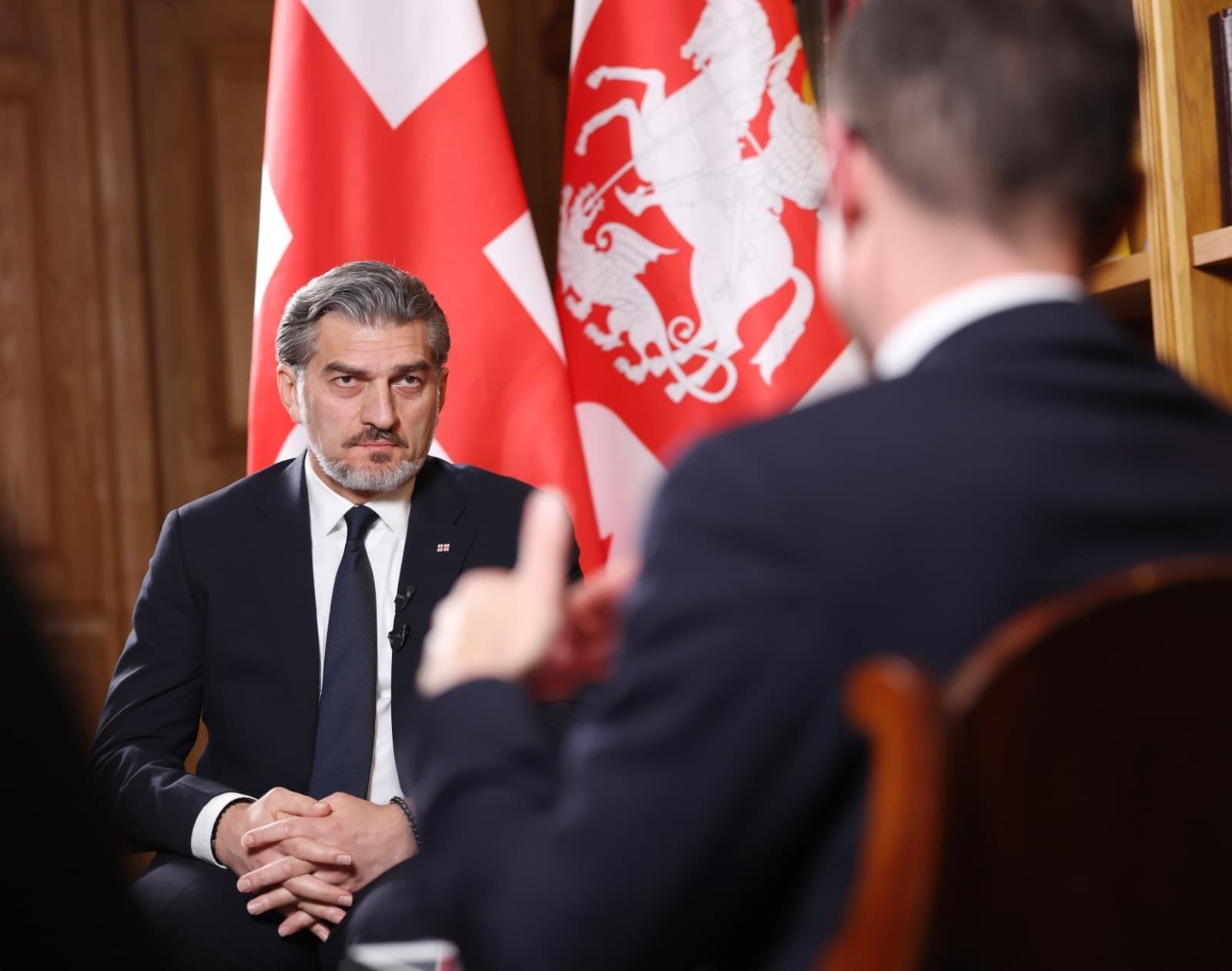
Addressing the stalled EU integration process, Kavrelashvili said Georgia “should have been and must remain a leading candidate

Author
Front News Georgia
Georgian President Mikheil Kavrelashvili has claimed that the ruling Georgian Dream party had “never rejected” the goal of joining the European Union, defending the government’s foreign-policy approach and democratic credentials in an interview with Deutsche Welle.
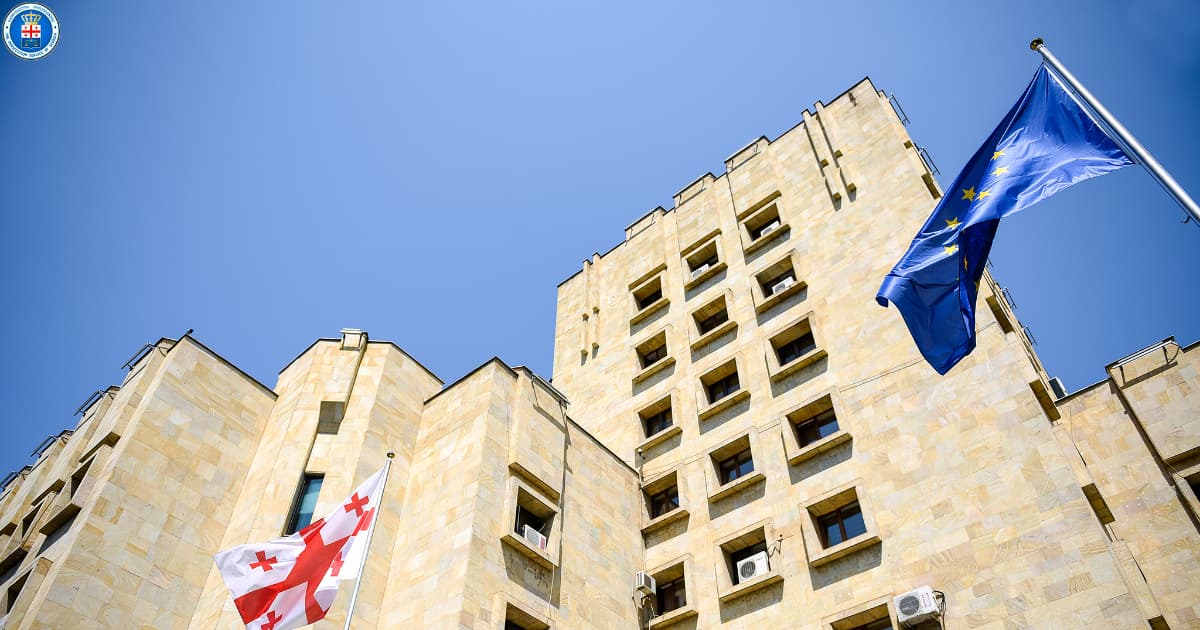
Kavrelashvili highlighted that EU symbols had consistently been displayed at major pro-government rallies “for many years,” arguing that public opinion simultaneously supported both EU accession and the ruling party.
“If 80% of the population supports EU membership, and 60% supports Georgian Dream, this means that the majority backs both,” he said. “So what is the difference between these two facts?”
The president also dismissed claims that the government is aligned with Moscow, saying there was “no evidence” of any political connection to the Russian authorities.
He emphasized that Georgia’s approach toward its occupied territories and relations with Russia was driven by national interests and pragmatic calculation.
“How do you think we can regain our territories if our relationship with Russia is aggressive?” Kavrelashvili asked. “We are not NATO members, and the EU has not accepted us. Our policy is based on pragmatic, balanced, and realistic models.”
Kavrelashvili reiterated the government’s commitment to eventual reunification with Abkhazia and Tskhinvali, describing residents of those regions as “brothers and sisters” with whom Georgians will “one day live together in a unified state.”
Discussing the 2024 parliamentary elections, the president claimed the vote was conducted “much better” than previous ones and that the results aligned with historical performance of Georgian Dream, “which typically secures between one million and 1.2 million votes.”
He criticized former President Salome Zourabichvili for rejecting the legitimacy of the election results before the Central Election Commission released its official tally.
Kavrelashvili further praised Georgia’s constitution as a document inspired partly by Germany’s constitutional model and grounded in principles that protect “the rights of all citizens, including minorities.”
He linked many European values to Christian teachings, arguing that Georgia’s identity and traditions are compatible with EU membership. At the same time, he reiterated that the ruling party recognized marriage only as a union between a man and a woman and sought to “protect the younger generation from LGBT propaganda.”
Addressing the stalled EU integration process, Kavrelashvili said Georgia “should have been and must remain a leading candidate,” predicting the country would be ready for accession by 2030. However, he accused European institutions of applying “double standards.”
“Sometimes they recognize this government, sometimes they do not. It is absurd,” he said, calling for a change of attitude among EU bureaucrats and members of the European Parliament.
He criticized the EU for its response to the controversial transparency law, which requires NGOs receiving more than 20% of their funding from abroad to submit detailed financial declarations. According to Kavrelashvili, the law contained “nothing more” than transparency requirements.
The president also said Georgia had supported all UN resolutions related to the war in Ukraine and joined sanctions where possible, except in cases that would “harm national interests or economic stability.”
Tags: