Health minister rejects criticism over Duchenne syndrome treatment policy, accuses opposition of politicising issue
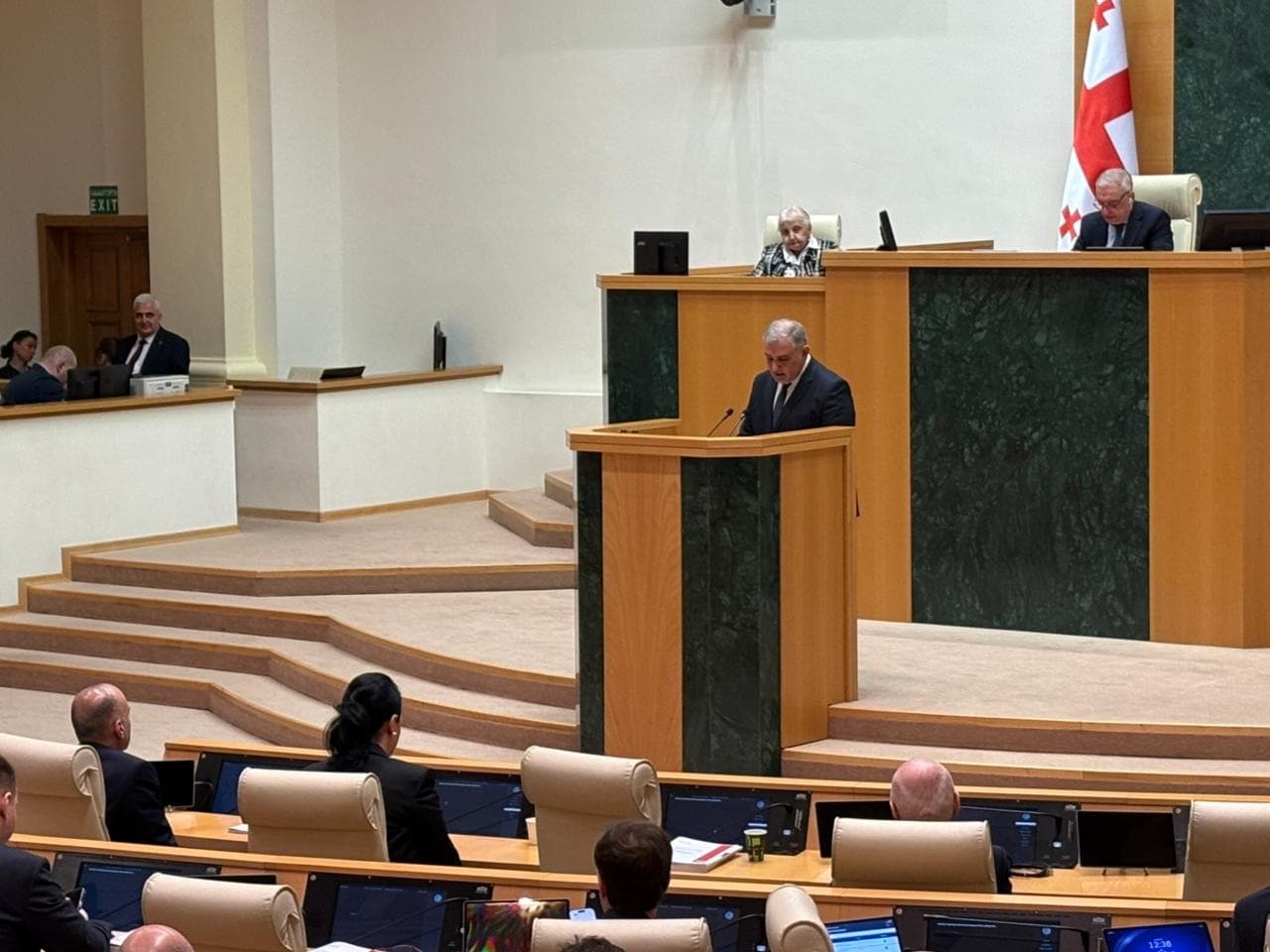
The minister accused opposition groups of attempting to exploit the situation for political gain, alleging that they are encouraging public discontent rather than supporting solutions

Author
Front News Georgia
Georgia’s Health Minister Mikheil Sarjveladze has defended the government’s approach to patient care, saying the ministry is focused on improving treatment outcomes rather than responding to political pressure.
Speaking in parliament under interpellation procedures, Sarjveladze said his priority is to work closely with parents of affected patients to address concerns and improve the effectiveness of treatment.
“My goal is to work together with parents, to answer all questions and improve treatment outcomes for patients. This work did not start today; it began long before any opposition representative showed interest in the issue,” he said.
The minister accused opposition groups of attempting to exploit the situation for political gain, alleging that they are encouraging public discontent rather than supporting solutions.
“The entire opposition is rooting for a situation where parents remain protesting in the streets and nothing is resolved. This serves their interests, as they seek to gain political dividends,” he said.
Sarjveladze added that the ministry would continue its work “for results, not for political points”, while acknowledging that some individuals genuinely support affected families.
He said the ministry had begun examining the issue and engaging with patients and their families before it became part of the broader political debate, noting that multiple meetings had taken place aimed at identifying effective ways to assist patients.
The minister also addressed what he described as misrepresentation of his statements in recent days. He rejected claims that he had suggested certain patients would be denied medication based on life expectancy, calling such reports “false”.
“Neither I nor any member of the ministry has ever said or thought that a patient with limited life expectancy would not be entitled to treatment,” he said.
He also denied suggestions that discussions with families had focused primarily on drug pricing, stating that cost is not a primary or secondary consideration in treatment decisions, although he acknowledged that high-value medicines can attract significant commercial interest.
Tags: