Georgian Health Minister says differences over Duchenne drug procurement centred on evidence, not objectives

Author
Front News Georgia
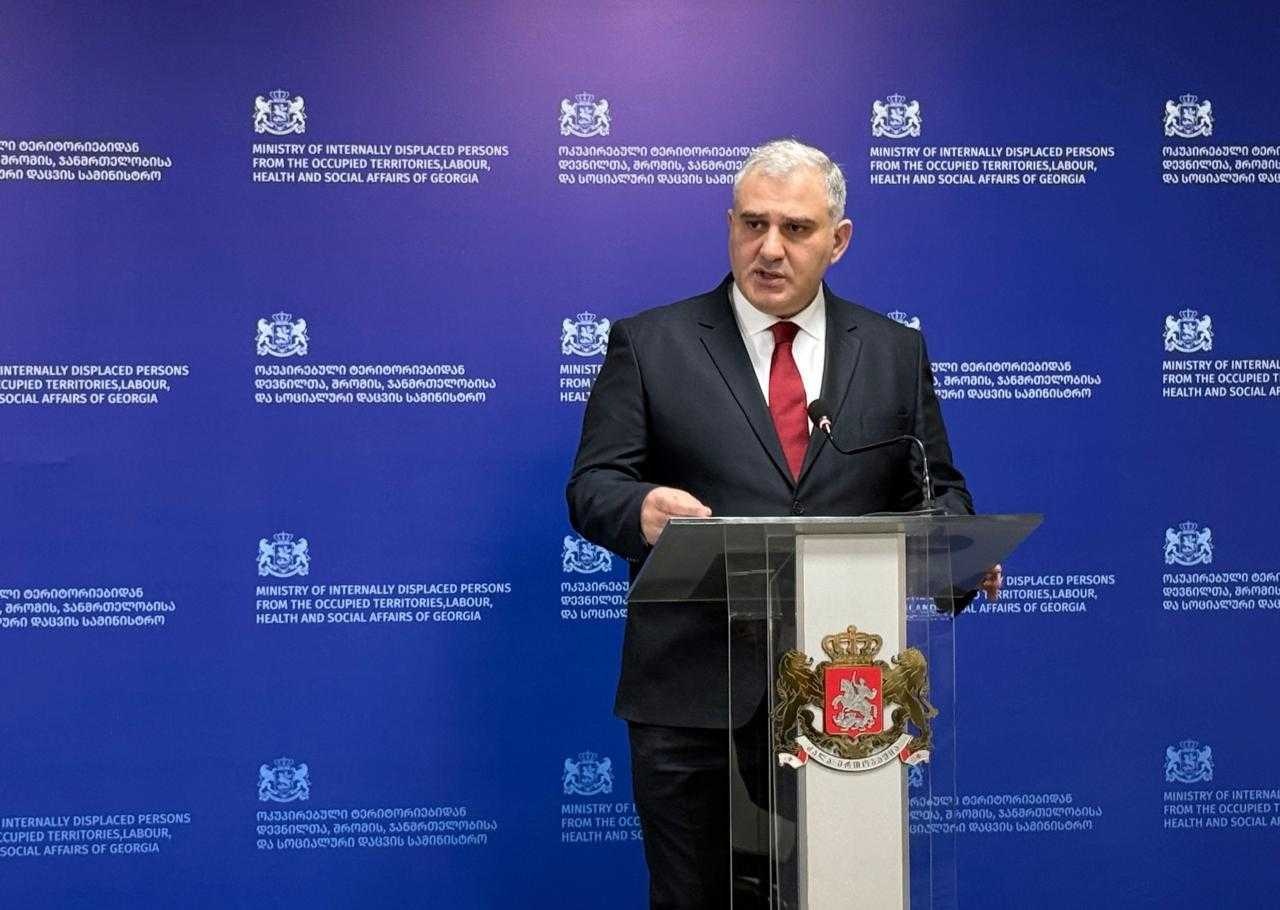
Georgian Health Minister Mikheil Sarjveladze on Friday said disagreements between the Government and families of patients with Duchenne muscular dystrophy were largely focused on the level of evidence required before purchasing expensive treatments, rather than on whether the medicines should be funded.
Sarjveladze said both sides shared the same goal of securing access to treatment, but differed over how quickly a decision should be taken.
"Our positions were not substantially different. The main difference concerned how much evidence was necessary before making a decision," he said.
The issue has been the subject of public debate since 2024, with families of children affected by Duchenne muscular dystrophy urging authorities to accelerate access to therapies used in other countries.
Sarjveladze said parents had argued for a faster decision-making process, while the Ministry maintained that any commitment to fund treatment should be based on sufficient scientific and clinical evidence.
"From the very beginning, the parents' view was that we should not wait for additional evidence and should make decisions more quickly. Our position was that a decision required evidence and that evidence has now been accumulated," he said.
The Minister said the Government sought to strike a balance between acting without unnecessary delay and avoiding decisions that could carry medical or financial risks.
He stressed that he understood the urgency felt by families and said he had approached the issue with sympathy throughout discussions that began in 2024.
"I cannot blame any parent for wanting every step to be taken as quickly as possible. That is entirely natural. At the same time, speed cannot come at the expense of careful decision-making," Sarjveladze said.
He noted the Health Ministry continued working on the issue throughout the process, including during periods of heightened public disagreement and sought information from international partners and healthcare experts.
Sarjveladze said discussions with health officials, clinicians and policymakers from around 15 countries during the recent World Health Assembly in Geneva contributed to the assessment of available evidence and treatment options.
"Even when tensions increased, we did not stop working on the issue. The experience of leading countries and the evidence we gathered played a significant role in helping us reach the final decision," he said.
Tags:
Mikheil Sarjveladze