Georgian Parliament Speaker criticizes EU accession process
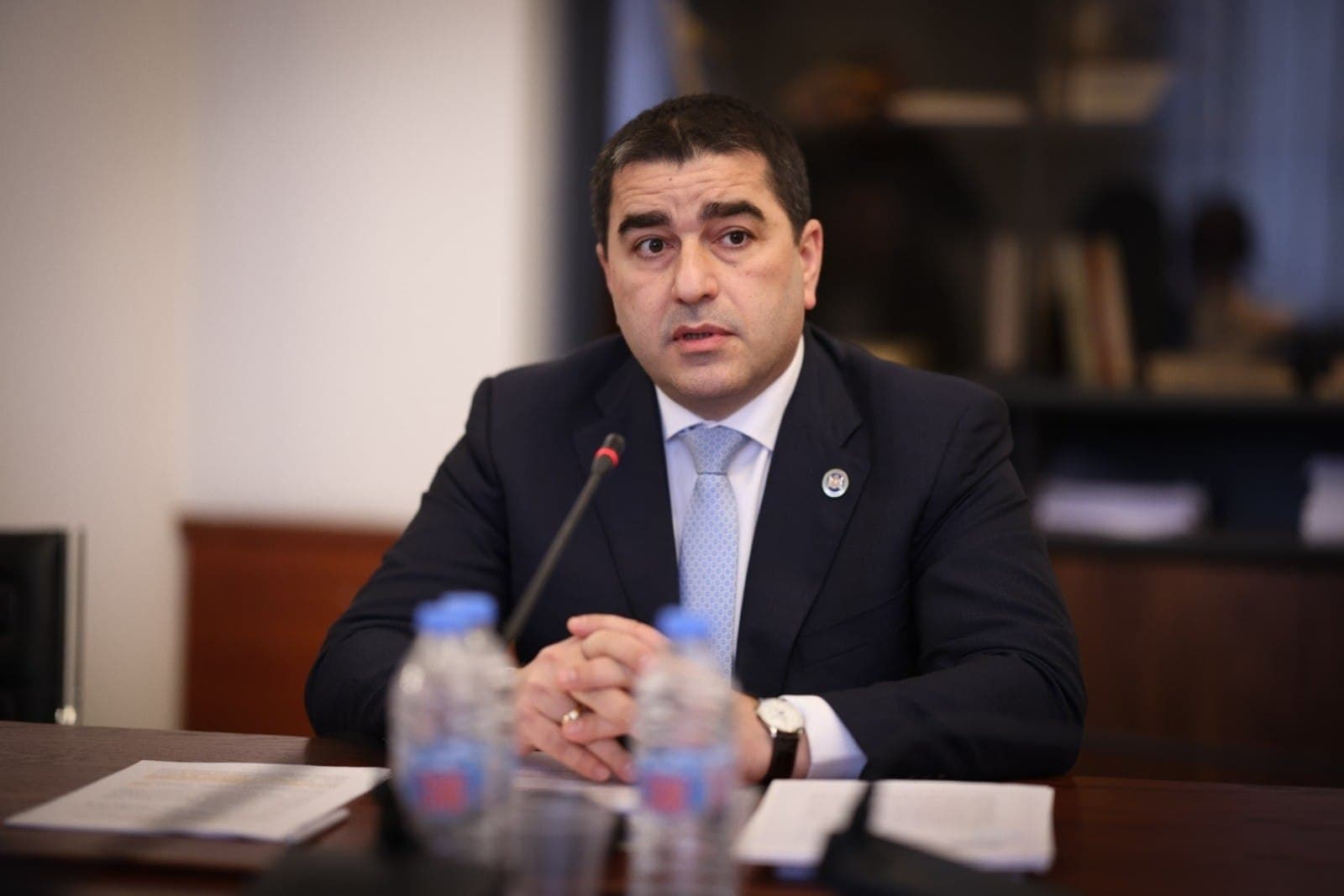
Papuashvili said that there is no real bilateral negotiation process and described the use of the term “negotiations” as misleading

Author
Front News Georgia
Speaker of the Georgian Parliament Shalva Papuashvili has claimed that the “so-called EU accession negotiations” are, in reality, a process of complying with unilateral directives rather than genuine negotiations.
Speaking to journalists, Papuashvili said that there is no real bilateral negotiation process and described the use of the term “negotiations” as misleading.
“Everyone should know the truth - there are no actual negotiations on accession. This is a process of fulfilling Brussels’ instructions, something which Brussels itself occasionally admits. Calling it negotiations is an absolute farce and creates the false impression of a two-sided process,” Papuashvili said.
According to him, the process consists of one-sided demands issued by unelected EU bureaucrats, leaving candidate countries with no real alternatives other than delayed implementation of obligations. While acknowledging that EU membership requires harmonizing national legislation with EU norms, Papuashvili stressed that Georgia has already transposed roughly half of EU legislation under the Association Agreement.
He argued, however, that Brussels has recently begun introducing additional requirements that are not stipulated in EU directives or binding legal documents.
As an example, Papuashvili cited the judicial “vetting” process, which he described as an invented mechanism aimed at gaining leverage over national judicial systems.
“No EU directive or legal document mandates such procedures. They are not applied in EU member states themselves, yet are demanded from other countries in order to establish control over their justice systems,” he said.
Papuashvili also criticized the inclusion of recommendations calling for foreign-funded non-governmental organizations to be involved in decision-making at all levels of government, arguing that this would effectively grant veto power over state policy to externally funded actors.
He concluded that recent EU demands demonstrate a desire to exert influence over Georgia’s sovereignty, stating that the accession process has increasingly become a tool for political control rather than integration based on clear, established criteria.
Tags: