Papuashvili argued that the EU had moved beyond technical criteria traditionally associated with visa arrangements and was now attaching political demands to the process

Author
Front News Georgia
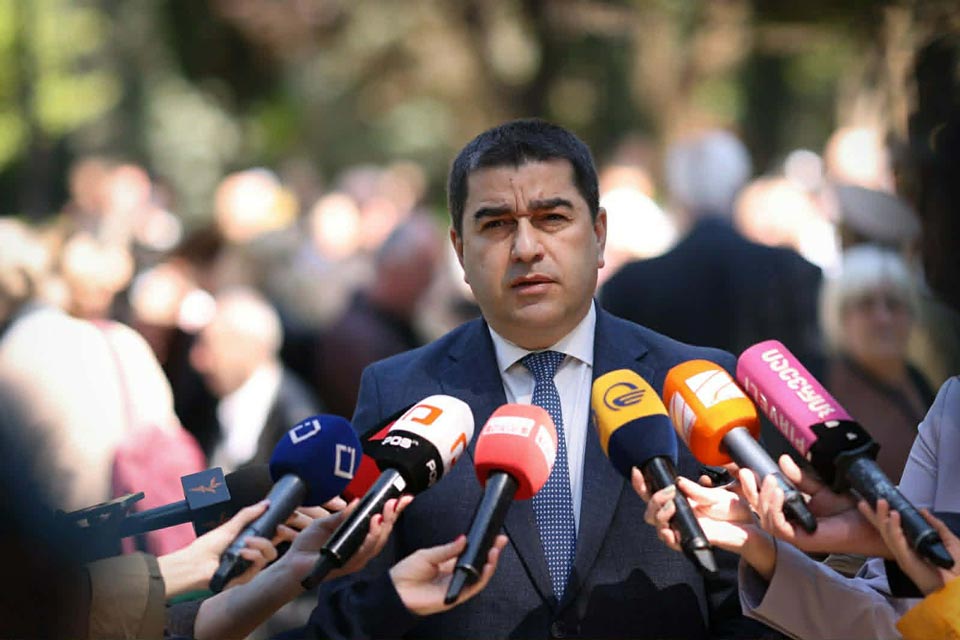
Parliament Speaker Shalva Papuashvili has accused the European Union of pressuring Georgia to align with the bloc's sanctions policy against Russia, arguing that such demands would harm the country's interests and security.
Speaking to journalists on Wednesday, Papuashvili said the dispute concerns the EU's decision to suspend visa-free travel privileges for holders of Georgian diplomatic passports and criticised what he described as the politicisation of visa policy.
According to the speaker, the European Union initially violated an international agreement by introducing visa requirements for diplomatic passport holders and later amended its own rules to create what he described as Georgia-specific political conditions.
Papuashvili argued that the EU had moved beyond technical criteria traditionally associated with visa arrangements and was now attaching political demands to the process.
"They are telling us to align with the EU's visa policy, which in practice means imposing sanctions on Russia," Papuashvili said.
He claimed that such a step would damage Georgia's economy and national interests, adding that the government would not take decisions that, in its view, could destabilise the country.
"The Georgian government cannot destroy the country because Brussels wants to turn visas into a political tool," he said.
Papuashvili also accused the EU of applying double standards and criticised what he described as an "immature" approach to foreign policy in Brussels.
Referring to a planned meeting between Georgian and European Commission representatives on 11 June, he said the talks would be technical in nature and argued that political issues should be discussed directly by political leaders.
The speaker further claimed that the EU wants Georgia to adopt sanctions against Russia and allow “opaque foreign funding” of political groups in the country, allegations that have been repeatedly rejected by European officials.
The European Union has linked concerns over Georgia's democratic trajectory, rule of law and compliance with EU standards to its broader relationship with Tbilisi, including issues related to visa liberalisation and the country's EU accession process.
Tags: