Georgian parliamentary commission identifies challenges raising local production costs
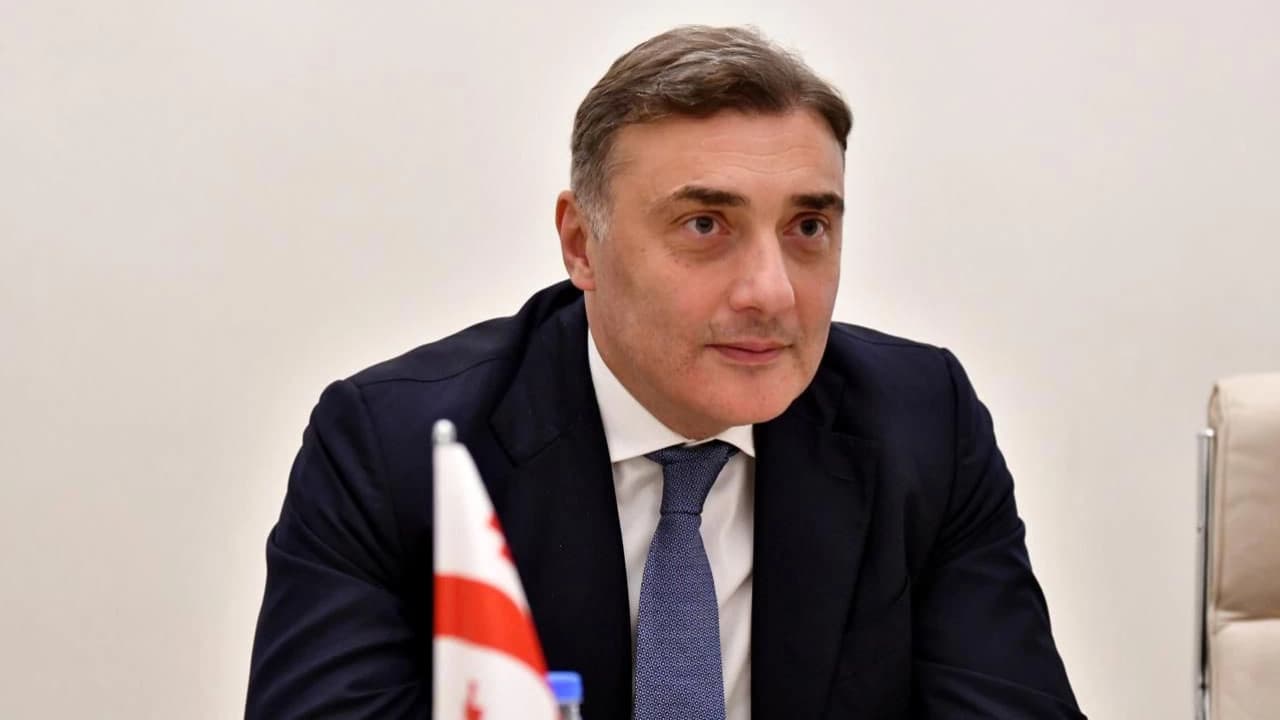
Berekashvili said that many local companies relied heavily on imported raw materials

Author
Front News Georgia
Shota Berekashvili, chairman of the temporary parliamentary commission examining the pricing structure of food, medicines and fuel, has summarised findings from previous meetings with local producers, highlighting factors that increase unit costs at the producer level.
Speaking at a commission session on Thursday, Berekashvili said that many local companies relied heavily on imported raw materials, making them vulnerable to import price inflation. “If imported raw materials become more expensive, this is reflected directly in the unit price of the final product,” he said.
He also pointed to high operational costs in distribution and retail, including payments to distributors and networked stores. “Companies reported specific charges in marketing and sales - store entry fees, ‘cashback’ costs, shelf fees, and similar expenses - all of which increase operational costs,” Berekashvili explained.
The commission chairman noted that the current pricing chain and business operations placed local producers in a non-competitive environment, affecting the competitiveness of the final product.
“Our goal is to work with you to strengthen the competitiveness of local production. In a context of healthy competition with imported goods, better business processes, and improved operational efficiency, we want local production to be competitive, which ultimately ensures competitive prices for consumers,” he said.
During the session, commission members discussed market structure, the pricing chain, and sectoral operational processes with representatives of local food producers, aiming to identify measures to support and enhance domestic production efficiency.
Tags: