
State Security Service: substances used at December 4–5 protest not classified as prohibited

Author
Front News Georgia
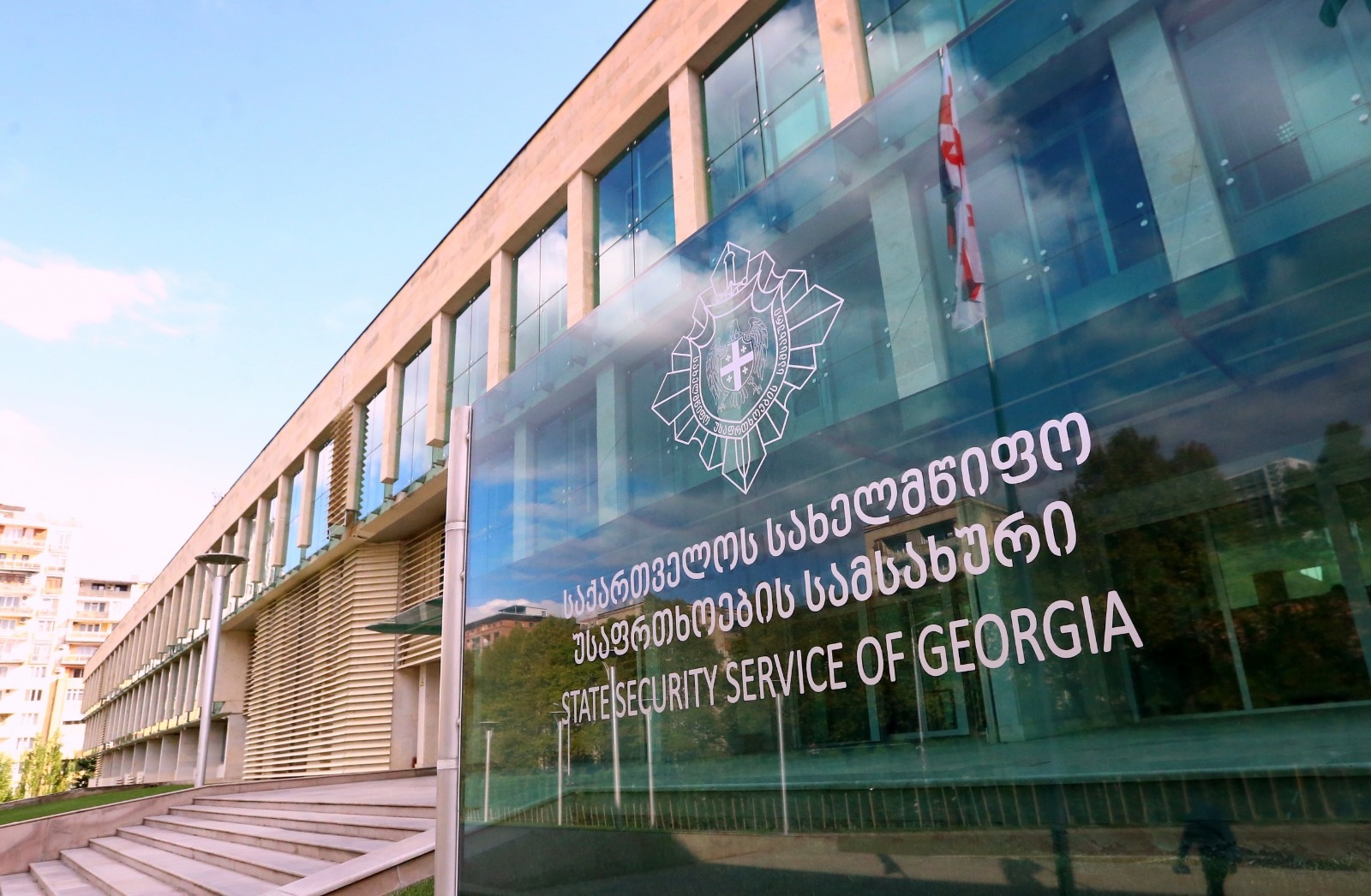
Georgia’s State Security Service said on Saturday that the chemical agents used by law enforcement during the December 4–5 protest in the capital city of Tbilisi do not fall under the category of banned substances.
At a briefing, Lasha Maghradze, Deputy Head of the agency, stated that the investigation determined the Interior Ministry used chlorobenzylidene malononitrile (CS gas) for crowd control, dissolved in propylene glycol.
“Neither of these substances belongs to any prohibited category,” Maghradze noted.
He stressed that bromobenzyl cyanide, commonly known as Camite, “has never been purchased by the Interior Ministry”.
Investigation Details
Maghradze said the Security Service was investigating claims made in a BBC report alleging that Georgian authorities had used a World War I–era chemical agent during the 2024 anti-government protests, as well as the subsequent public campaign that followed in Georgia. As part of the probe:
More than 160 investigative actions were carried out;
93 witnesses were questioned, including current and former Interior Ministry staff, doctors, experts, civil society representatives and respondents featured in the BBC story;
Documentation was seized from the Interior Ministry and the Revenue Service’s Customs Department;
From two Interior Ministry bases, investigators collected 25 samples, all of which underwent chemical analysis at the Levan Samkharauli National Forensics Bureau.
The Security Service said the powder used for years by police at protests was confirmed to be chlorobenzylidene malononitrile, purchased from an Israeli supplier in 2007 and 2009, along with the solvent trichloroethylene. The substances carried international transport codes UN3439 and UN1710, which match customs and inventory records.
Maghradze added that these same transport codes have been used hundreds of times over the past two decades by various Georgian companies, including pharmaceutical and industrial firms, when importing non-military goods.
BBC Claims Rejected
Investigators also questioned individuals whose statements were cited in the BBC report. According to the Security Service, all of them denied that their conclusions referred to the use of the banned chemical Camite.
Experts noted that bromobenzyl cyanide causes severe, often fatal effects and has been banned globally since the 1930s.
Medical records obtained from the Health Ministry showed that out of 54 people taken to hospitals by emergency services after the protests, only five had mild intoxication and were discharged the next day.
Ongoing Investigation
Maghradze said one key witness, Lasha Shergelashvili, could not be questioned. He is currently wanted in Georgia in connection with a separate case involving the alleged procurement of explosives. According to the agency, Shergelashvili, who is believed to be employed under contract by Ukrainian security services, left Georgia prior to October 4.
Maghradze concluded that evidence collected by investigators shows that claims of chemical weapon Camite being used against protesters are “deliberate disinformation” aimed at harming Georgia’s interests, allegedly with involvement from certain Georgian nationals.
The State Security Service continues to investigate under Article 319 of the Criminal Code, which concerns assisting a foreign organisation in hostile activities against the state.