Georgian deputy interior minister: insults, not criticism, trigger official action

Author
Frontnews Georgia
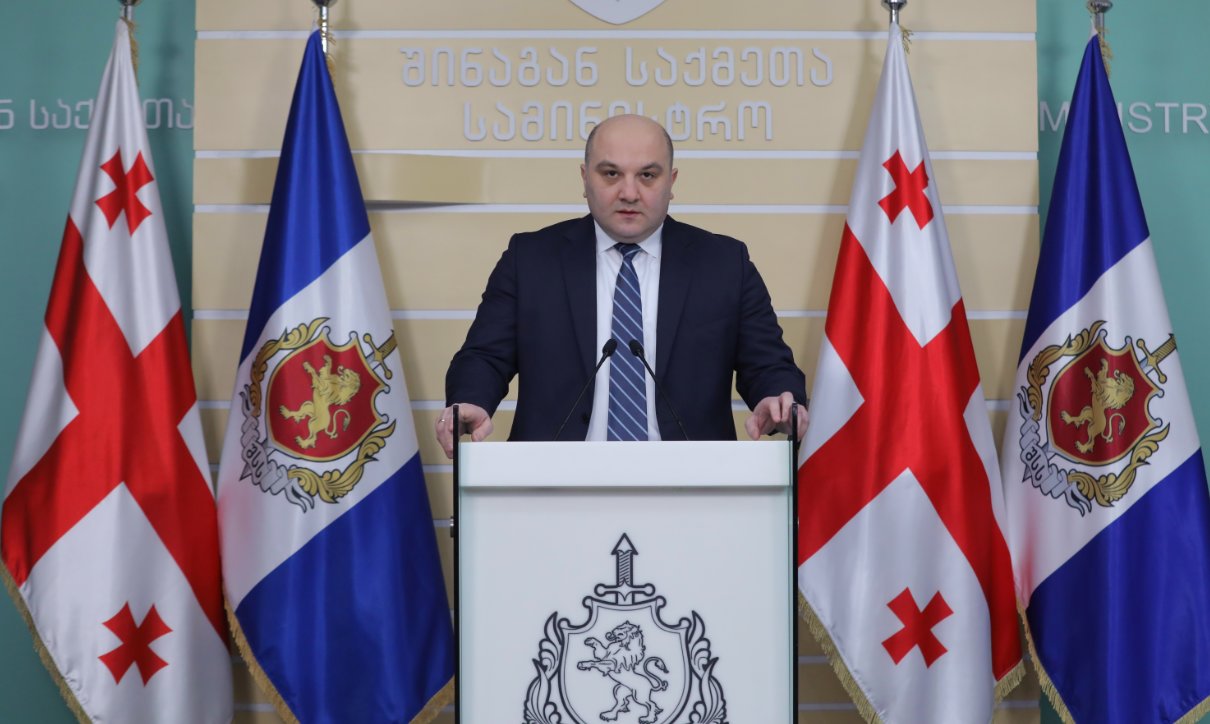
Georgia's Deputy Interior Minister Aleksandre Darakhvelidze has said that freedom of expression protects the right to voice opinions and criticism, but does not extend to insults, profanity or abusive language directed at others.
Speaking about recent cases brought before the courts, Darakhvelidze said law enforcement authorities intervene only when statements cross the line into what he described as offensive or obscene conduct.
"If an expression of opinion does not turn into excessive insults, abusive language or incitement against other people, it is naturally protected by freedom of expression," he said.
The deputy minister argued that criticism of political decisions and policies is legitimate, but maintained that personal insults and offensive remarks violate public order and the dignity of others.
Darakhvelidze rejected claims that authorities enforce the rules selectively, saying sanctions had also been imposed on individuals who used insulting language against opposition representatives.
He said that while citizens have the right to express their views publicly, that right should not infringe upon the dignity of other individuals.
"Once you violate another person's dignity through insults and abusive language, it becomes a matter of public order," he said, adding that the Interior Ministry has a duty to respond in such cases.
According to Darakhvelidze, police officers have observed a significant decline in such incidents in recent months, which he described as evidence that enforcement measures have had an effect.