Analyst Tsuladze: ‘if strikes continue, this will become structural problem for Russia’s economy’


Author
Frontnews Georgia
Against the backdrop of global geopolitical turbulence, developments in the Middle East and the situation on the Ukrainian front remain at the centre of international attention. The direct military confrontation between the United States and Iran, the security crisis in the Strait of Hormuz, personnel changes within Ukraine’s leadership and Washington’s coordinated foreign policy strategy were among the key topics discussed by international affairs analyst Avtandil Tsuladze in an interview with Front News.
According to the expert, despite sharp military actions, the White House is seeking to keep developments within the framework of a controlled escalation ahead of the upcoming US midterm elections. By combining military pressure with parallel diplomacy, Washington aims to bring its adversaries back to the negotiating table from positions favorable to the United States.
Q. We are seeing that the confrontation between the United States and Iran has gone beyond the format of a “proxy war” and evolved into direct military clashes. How do you assess the risks of a global energy crisis under the conditions of a blockade of the Strait of Hormuz and how likely is it that this confrontation could escalate into a full-scale, uncontrolled regional war?
A. The ceasefire has effectively come to an end, but the conflict still remains within the bounds of a controlled escalation. The United States is carrying out targeted strikes on Iran’s strategic infrastructure in order to force Tehran back to the negotiating table from a significantly weaker position. Washington is reportedly considering the scenario of a limited military operation, including possible strikes on islands located off Iran’s coastline.
The United States is clearly trying to avoid a large-scale war. That is precisely why it is excluding Israel from participating in the operation. This reflects a combination of military pressure and diplomacy, a style that is characteristic of President Trump.
Q. What does Iran’s direct targeting of actors such as Qatar - which had previously served as a mediator - and the United Arab Emirates indicate? Does this mean Tehran is burning all diplomatic bridges with the Gulf monarchies and what impact could this have on the balance of power in the Middle East?
A. Iran is striking targets located in Arab countries to demonstrate that it is capable of exerting pressure on America’s regional partners. This weakens confidence in US security guarantees and creates a new political dynamic in the region. Tehran believes that now is the right moment to increase pressure because Washington, ahead of elections, is not interested in a prolonged conflict or in destabilising global energy markets.
From the standpoint of energy market stability, the Strait of Hormuz remains the most critical strategic chokepoint in the Middle East. Any disruption to traffic through the strait poses a serious threat to global energy supply chains, as a significant share of the world’s oil and natural gas passes through this route.
Q. These significant personnel upheavals within Ukraine’s leadership, particularly the tensions between the military command and the Ministry of Defence, are attracting considerable attention. To what extent are they likely to affect the resilience of the front line and do they point to a deeper strategic crisis within Kyiv?
A. In Ukraine, there is growing speculation that the war could end with a ceasefire this year and it is on the basis of this expectation that the struggle for power among the political elite has intensified. The Government’s resignation is already part of an emerging pre-election contest, with competition between rival influence groups becoming increasingly fierce ahead of the anticipated presidential election.
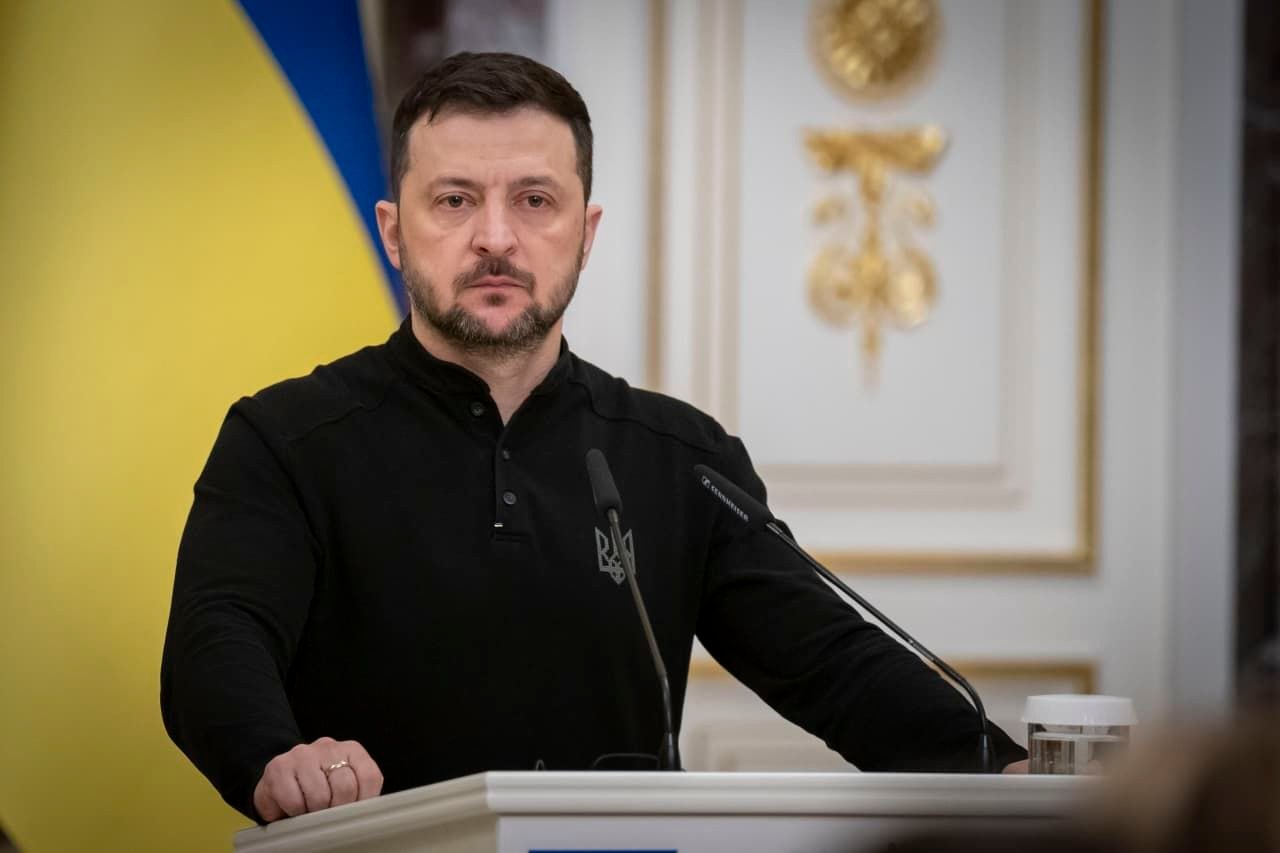
At this stage, the changes within the Ministry of Defence are not having a significant impact on the situation at the front. Mykhailo Fedorov served as Minister of Defence for about six months and his conflict with [Commander-in-Chief of the Armed Forces of Ukraine] General [Oleksandr] Syrskyi stemmed from reforms that Fedorov had planned but did not have sufficient time to implement. For [Ukrainian President] Volodymyr Zelenskyy, the Government’s resignation provides an opportunity to reshape the balance of power among competing political factions in a way that is most advantageous to him.
Q. The European Union has extended temporary protection status for Ukrainian refugees but has also introduced a significant change: among new applicants, only those who have fulfilled their military obligations to Ukraine and left the country legally will be eligible for the status. This decision appears to respond to Kyiv’s request, as it urgently requires additional manpower for mobilisation. How effective is this EU measure likely to be in addressing Ukraine’s mobilisation challenges and could it encourage Ukrainian men currently living in Western Europe to go underground or fuel further social unrest?
A. The European Union’s new regulations form part of a broader reform of its migration policy and are not measures directed solely at Ukrainian migrants. These changes have been driven primarily by the EU’s internal political dynamics, rising tensions over migration and the growing strength of right-wing parties across Europe. In practical terms, they are unlikely to have any meaningful impact on Ukraine’s mobilisation capacity. The move is more of a political signal than a genuine restriction.
Q. How do you assess the military and psychological impact of these large-scale drone attacks on Moscow? To what extent do they pose a genuine threat to the stability of [Russian President] Vladimir Putin’s regime domestically and what response should we expect from Moscow as this escalating aerial campaign continues?
A. The drone strikes on Russia’s oil refineries have already created tensions in the country's fuel market. Moscow has so far managed to maintain stability by prioritising supplies to key sectors, but queues and localised shortages are already emerging in some regions. If the strikes continue, they will become a structural problem for the Russian economy, particularly in terms of inflationary pressures and logistics. By the autumn, the consequences are likely to become much more apparent.
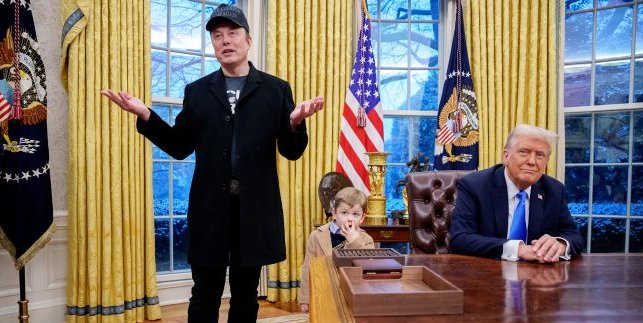
Q. Conflicting signals continue to emerge from Washington. On the one hand, [US President] Donald Trump has approved Ukraine’s request for additional Patriot air defence systems. On the other, he is actively holding separate telephone conversations with both Zelenskyy and Putin, while simultaneously stepping up military escalation against Iran. How should we interpret Washington’s strategy- continuing to supply arms to Ukraine while pursuing peace talks and at the same time engaging in what amounts to a military conflict with Iran? Does the United States have sufficient resources to sustain such intense geopolitical pressure on two fronts?
A. Trump is employing the negotiating style that has become his trademark: combining military pressure with parallel diplomacy. This enables him to project strength while avoiding prolonged and costly wars.
With regard to Russia, Trump is increasing support for Ukraine and stepping up pressure on Moscow in an effort to accelerate the achievement of a ceasefire. His objective is to secure an agreement before the November midterm elections that can be presented to the American public as a foreign policy success.
The same logic applies to Iran. Trump is seeking to stabilise the conflict and resolve the issue before the elections, so that he does not enter the campaign facing the prospect of a large-scale war.
The United States has no interest in becoming involved in a major military conflict on two fronts. However, it is realistic to expect limited military operations in Iran alongside continued support for Ukraine. Through a strategy of controlled escalation towards both Iran and Russia, Trump is attempting to reduce geopolitical risks ahead of the congressional midterm elections. By the autumn, it should become much clearer how effective this strategy has been.
Tags:
Avtandil Tsuladze