EU's 21st sanctions package targets Georgia-registered crypto platforms and Kulevi oil refinery

Author
Frontnews Georgia
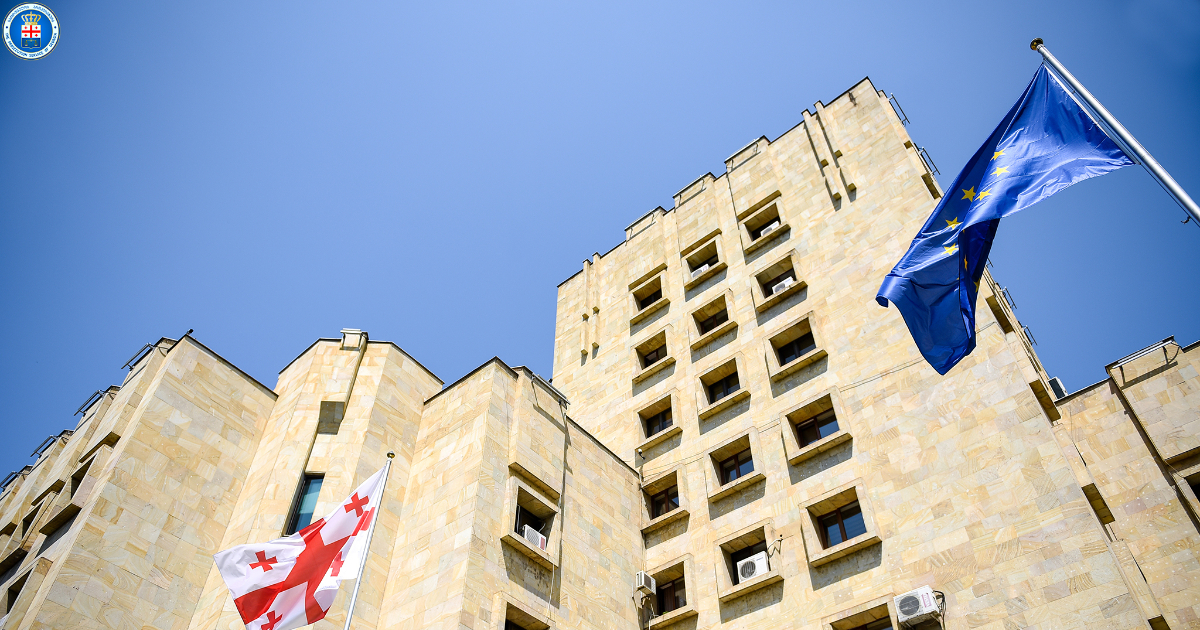
The Council of the European Union has adopted its 21st package of sanctions against Russia, which includes measures targeting several Georgia-registered cryptocurrency platforms and the Kulevi oil refinery on Georgia’s Black Sea coast.
According to the EU, the package introduces stricter economic sanctions against sectors considered critical to Russia's economy and its ability to continue the war in Ukraine.
The measures include sanctions against 218 individuals and entities - comprising 48 individuals and 170 legal entities - making it the largest package of individual listings adopted by the EU in the past four years.
As part of the new measures, the EU has expanded restrictions on cryptocurrency-related services, imposing sanctions on 14 crypto platforms based in Georgia, Panama, the United Arab Emirates, the Marshall Islands, Kyrgyzstan and Belarus, which it says have been involved in helping Russia circumvent sanctions. The package also gives the EU the authority to impose a full ban on crypto-asset services provided by third-country operators if they are used to evade sanctions.
The sanctions also include a transaction ban targeting the Kulevi oil refinery in Georgia, which the EU says trades in and processes Russian oil. The restriction will take effect six months after its adoption.
In addition, the package freezes assets and bans the provision of financial resources to 94 banks and major financial institutions, expands transaction restrictions to 33 additional Russian credit and financial organisations, and sanctions one Kyrgyz bank linked to Russia’s financial messaging system, along with three other foreign banks accused of facilitating sanctions evasion.
The EU also announced additional measures targeting Russia's so-called “shadow fleet”, adding 41 vessels to its sanctions list, and extended restrictions on companies involved in circumventing bans on Russian crude oil and petroleum products.
According to the EU, the latest sanctions are intended to further weaken Russia's economy and military capabilities following recent Russian strikes on civilian infrastructure in Ukraine, and to maintain pressure on Moscow to end its war and engage in negotiations towards a just and lasting peace.