Leuville Estate gaining new life as centre of Georgian history, culture, ruling party MP

Author
Frontnews Georgia
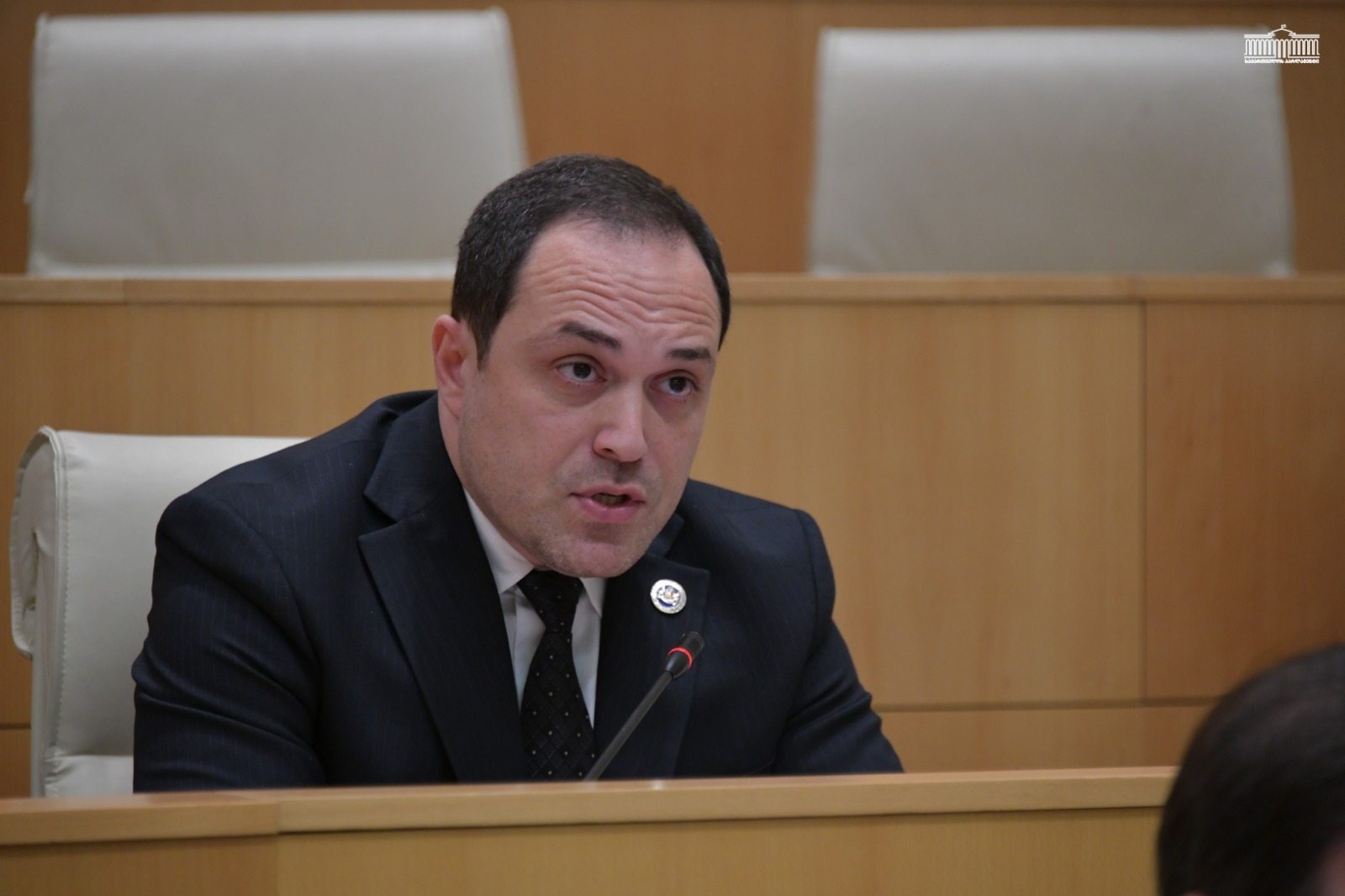
The rehabilitation of the Georgian Estate in Leuville has created a unique space where Georgia’s history can be experienced as a living heritage rather than simply studied, Parliament’s Culture Committee chairman Giorgi Gabunia said during a plenary session on Tuesday.
“Today, we can confidently say that the Leuville Estate is gaining new life,” Gabunia said, describing the project as the restoration not only of a historic property but also of a responsibility to preserve Georgia’s cultural and historical heritage for future generations.
He said the renovated estate would bring together a museum, archive, library, and academic and educational activities, creating a modern cultural and scientific environment for researchers, artists, students and young people, particularly members of the Georgian diaspora.
The rehabilitation of the estate was completed after nearly a decade of work, with the Georgian government financing and implementing the project. The estate, which covers more than five hectares, includes a château, library, park, orchard, vineyard and a traditional Georgian oda. It was transferred to the Georgian administration in 2016.
Gabunia said Leuville’s significance extended beyond Georgia, describing it as an important expression of the longstanding friendship and mutual respect between Georgia and France.
He also said the estate could become an important venue for cultural dialogue in Europe, particularly as cultural diplomacy increasingly contributes to understanding and cooperation between countries and societies.
Gabunia thanked Parliament Vice Speaker Tea Tsulukiani, whom he described as a driving force behind the rehabilitation process, as well as the Georgian government, the Ministry of Culture and other state institutions involved in the project.
He also expressed gratitude to the families who had owned the estate and agreed to its transfer so that the site could become a shared public cultural heritage.
Following the Soviet occupation of Georgia in 1921, members of the government of the First Democratic Republic continued their political and cultural activities in exile, with Leuville becoming an important centre for preserving the memory of independent Georgia. The estate was acquired by the Georgian government-in-exile in the 1920s and was transferred to Georgia in 2016.
Tags: