EU integration must not come at the expense of Georgia’s sovereignty, ruling majority leader

Author
Frontnews Georgia
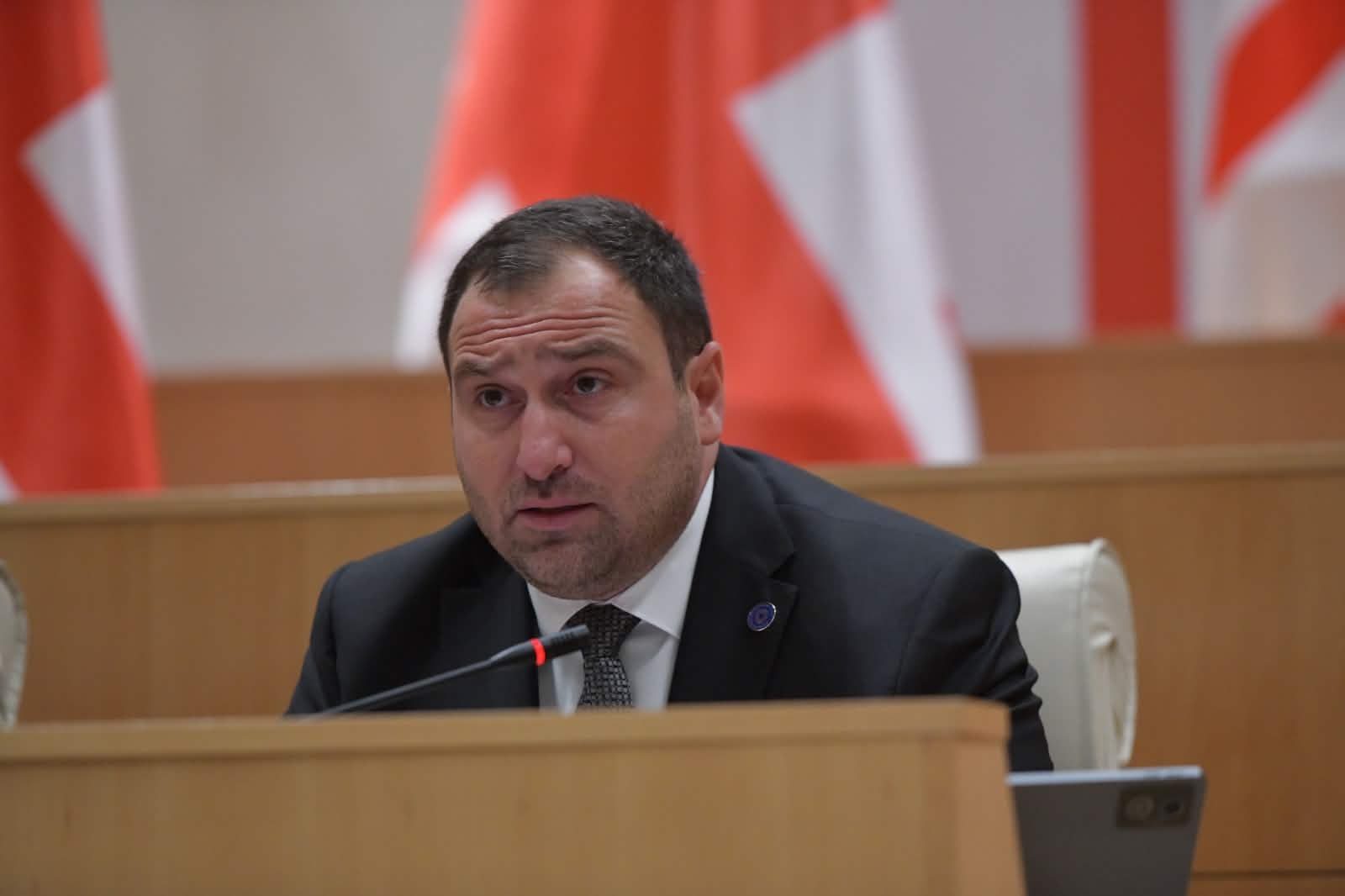
Georgian Parliamentary majority Leader Irakli Kirtskhalia has criticised the European Commission’s latest enlargement report, arguing that demands to repeal several Georgian laws as a condition for progress towards EU integration disregard the will of the Georgian people.
Addressing parliament during a plenary session on Tuesday, Kirtskhalia said developments over the past week had once again exposed “fundamental disagreements” between the Georgian government and EU institutions over national sovereignty, democratic mandates and the country's domestic political and legislative decisions.
He described the European Commission's assessments of Georgia's judiciary, legislative amendments and political developments as unfounded and lacking substantive arguments.
Kirtskhalia specifically questioned calls to repeal the Law on Transparency of Foreign Influence and the Law on Family Values and Protection of Minors.
"They are demanding that we repeal laws such as the Law on Transparency and the laws on anti-LGBT measures, family values and the protection of minors in exchange for European integration, but they are not asking the Georgian people whether they want these laws repealed," he said.
He also challenged the Commission's references to individuals it considers arbitrarily detained, questioning the use of the term "prisoners of conscience" for people convicted in connection with anti-government demonstrations. He argued that such descriptions should not replace an examination of the evidence and circumstances of individual cases.
The parliamentary majority leader further accused foreign actors of interfering in Georgia's domestic political affairs, referring to protests in Tbilisi, alleged attempts to overthrow the government and the involvement of foreign diplomats in domestic political and electoral processes. He claimed that some protesters had attacked police officers and state institutions, while arguing that similar acts would be treated more severely in certain European countries.
On judicial reform, Kirtskhalia rejected proposals for an extraordinary vetting mechanism for Georgian judges involving international experts. He questioned who would ultimately hold judges accountable under such a system, arguing that it could create opportunities for external political influence over the judiciary.
"If judicial decisions, parliamentary laws and the actions of the executive branch are ultimately determined from outside, what remains of the authority of institutions elected by the people?" he said.
Kirtskhalia also addressed relations with China, welcoming the recent visit of the Chinese vice-president to Georgia. Speaking on behalf of the parliamentary majority, he said the government valued its comprehensive strategic partnership with Beijing and was ready to deepen cooperation at every level.
Concluding his address, Kirtskhalia said Georgia remained committed to European integration but would not accept conditions that compromised its sovereignty, constitutional order or national interests.
"We are open to discussions on the basis of equality. Our desire is European integration, but not at the expense of sovereignty," he said.
The European Commission published its 2026 Georgia Report on 4 November. The report called on Georgian authorities to repeal legislation it considers restrictive of fundamental rights and freedoms, specifically naming the Law on Transparency of Foreign Influence and the legislative package on Family Values and Protection of Minors. It also called for the release of people it considers arbitrarily detained and comprehensive judicial reform.
Georgia received EU candidate status in December 2023, but its accession process was effectively halted in 2024 following concerns over the government's policies and democratic backsliding. In November 2024, the Georgian government announced that it would not pursue the opening of EU accession negotiations until 2028.
Tags:
Irakli Kirtskhalia