Irakli Kirtskhalia: Concerns Over Human Trafficking in Georgia’s Surrogacy Industry Are Based on Specific Information

Author
Frontnews Georgia
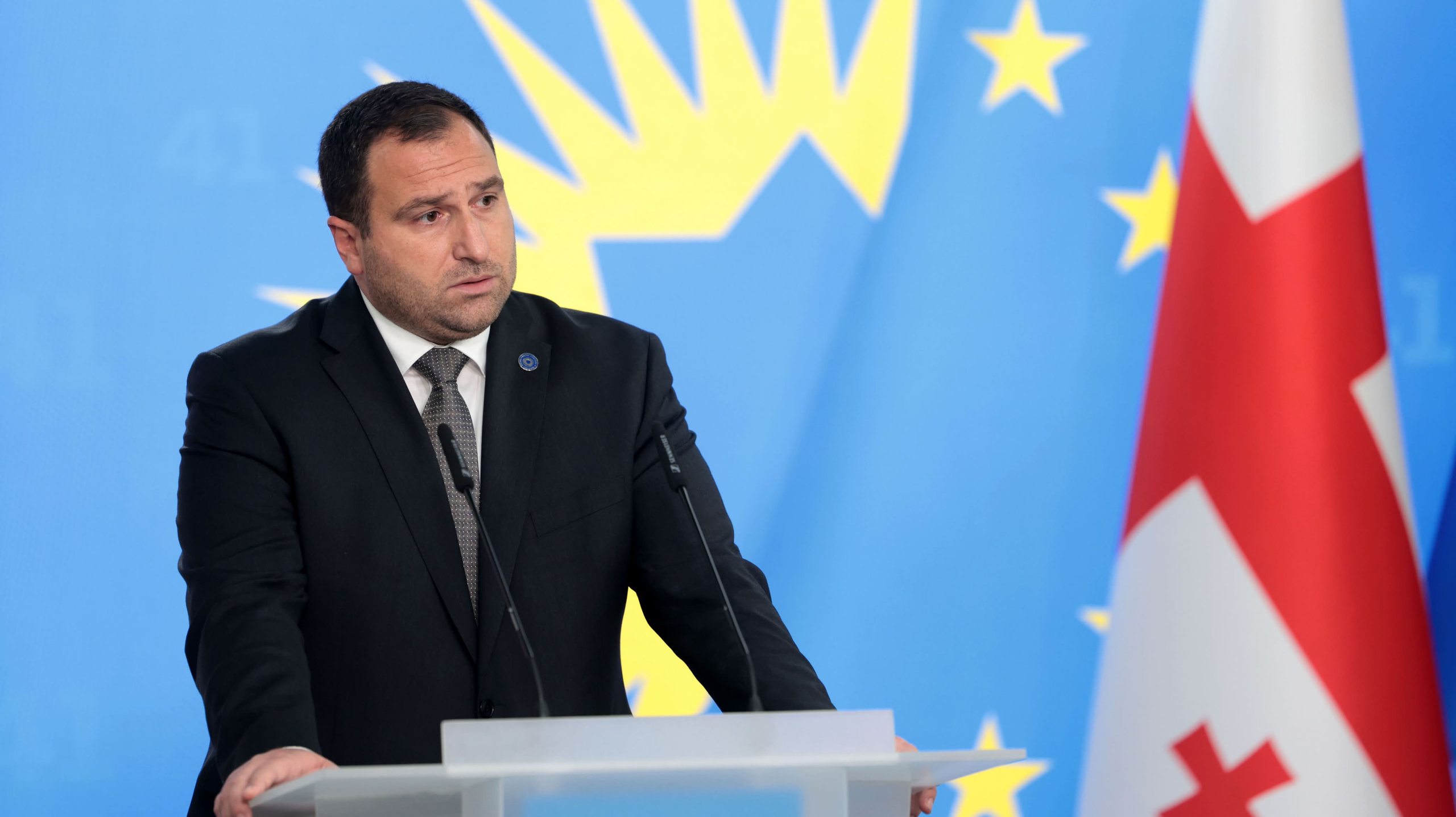
Georgia’s Parliamentary Majority Leader Irakli Kirtskhalia has stated that concerns over human trafficking and other risks associated with surrogacy are based on specific information available to the authorities. He also claimed that approximately 98% of those using surrogacy services in Georgia are foreign nationals.
Speaking about the decision to introduce legislation banning surrogacy in Georgia, Kirtskhalia said that authorities are aware of specific cases and potential threats, although some information cannot be publicly disclosed due to the sensitive nature of the issue.
“First of all, when we discuss risks, both existing and potential future risks, we are speaking on the basis of facts. We are aware of certain cases. Some facts can be made public, while others cannot, because Georgian citizens, as well as foreign nationals, have used these services, and there are sensitive boundaries that must be respected,” Kirtskhalia said.
According to the parliamentary majority leader, one of the government’s principal concerns is the lack of control over the circumstances of children born through surrogacy once they leave Georgia.
“When we talk about human trafficking and the risks associated with it, we are, of course, relying on specific information. However, I would strongly ask you not to press me to disclose the facts known to us,” he stated.
Kirtskhalia argued that Georgia bears responsibility for children born on its territory but has no effective means of monitoring their circumstances after they are taken abroad.
“When a child leaves the country for another state, and there are no restrictions on which countries these children may be taken to, the situation becomes very clear. These children are born in our country, under our responsibility, yet we have zero control over their future or where they go afterward. Let us leave the matter there. I can confirm that we are aware of numerous facts,” he said.
Kirtskhalia also cited figures suggesting that foreign nationals account for the overwhelming majority of surrogacy service users in Georgia.
“Let me provide a brief statistic. We will certainly discuss the precise figures when addressing the commercialization of this sector. Looking at the overall picture, 98% of those using surrogacy services in Georgia are not Georgian citizens. Approximately 2% are Georgian nationals,” he explained.
He acknowledged that the proposed prohibition could affect Georgian citizens who rely on surrogacy to become parents, but pledged that the state would provide them with maximum possible support.
“It is entirely legitimate for that 2% to ask questions, particularly if they may no longer be able to access surrogacy services. But I assure you that the state will do everything possible to support our citizens when it comes to motherhood and the right to become parents, using every available means,” Kirtskhalia said.
He further expressed confidence that Georgian citizens affected by the proposed restrictions would understand the government’s concerns.
“When we consider these risks and compare the figures 98% against 2% I firmly believe that we are a society and a country whose mentality, faith and values will enable even that 2%, or perhaps 1.5%, to understand the serious risks we have outlined,” he stated.
The remarks follow Kirtskhalia’s earlier announcement that Georgia’s parliamentary majority had decided to pursue a nationwide ban on surrogacy, citing ethical and legal concerns, including potential human trafficking, exploitation of women and the protection of children’s rights.
The relevant draft legislation is expected to be introduced in Parliament. Kirtskhalia’s statements about specific cases and the proportion of foreign users were presented as claims by the parliamentary majority leader; supporting evidence and detailed official statistics were not provided in the remarks.
Tags:
Irakli Kirtskhalia