‘Agents’ became ‘uncompromising fighters’ against everything linked to Russia after 2022, ruling party MP

Author
Front News Georgia
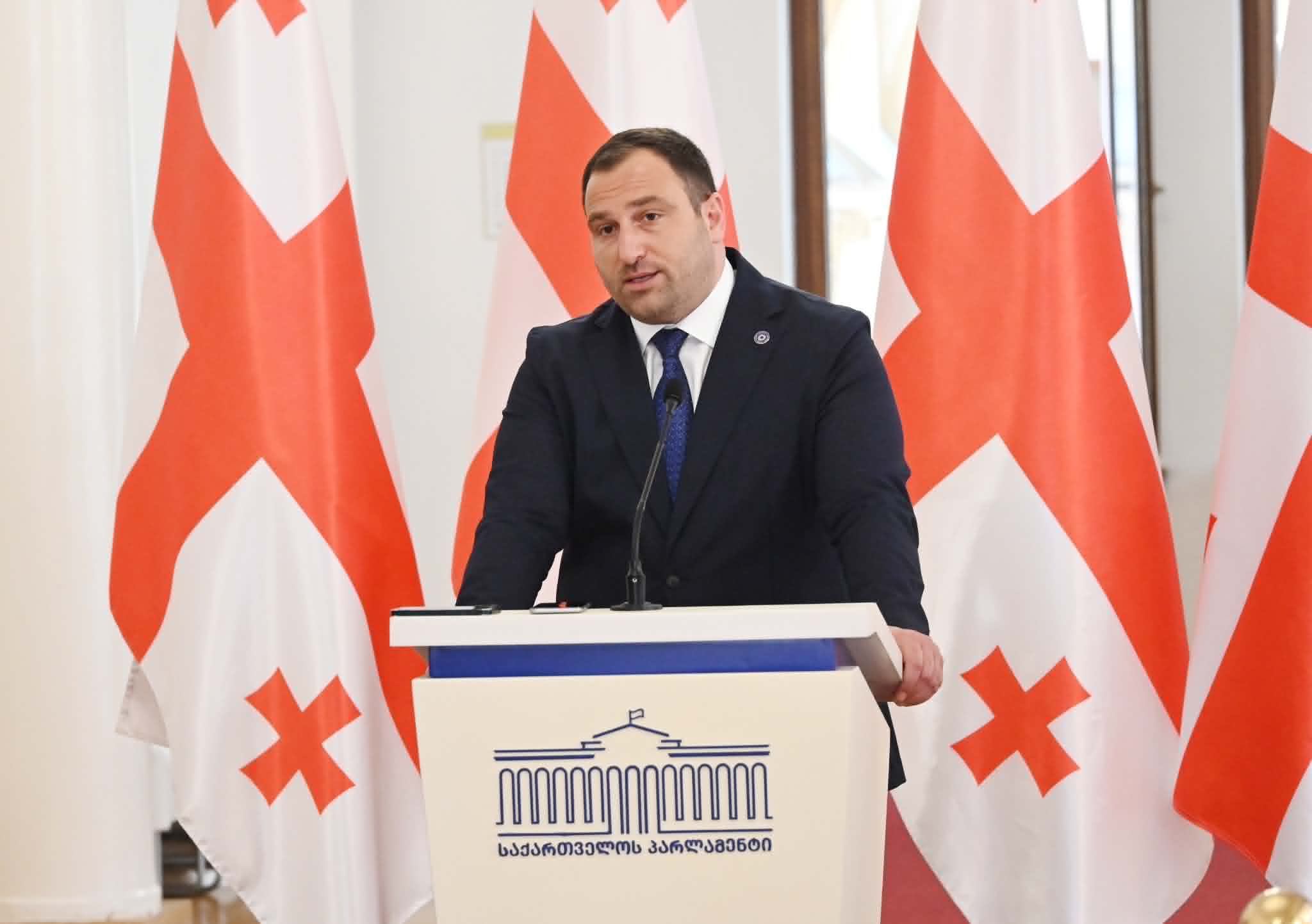
Georgian Dream parliamentary majority leader Irakli Kirtskhalia has accused opposition politicians, non-governmental organisations and public figures of adopting a “sharply anti-Russian stance” only after Russia's full-scale invasion of Ukraine in 2022, arguing that their position represented a shift from their approach following the 2008 Russia-Georgia war.
In a statement responding to Prime Minister Irakli Kobakhidze's recent claims, Kirtskhalia alleged that figures affiliated with the United National Movement (UNM), opposition parties and civil society groups had not demonstrated the same hostility towards Russia after the 2008 war.
He pointed to Russia's continued occupation of around 20% of Georgia's territory, the displacement of about 30,000 people and the deaths and injuries caused by the 2008 conflict, arguing that the developments should have prompted a stronger anti-Russian response at the time.
He also criticised the former UNM government for pursuing closer cultural and humanitarian ties with Russia after the war, encouraging Russian investment in Georgia's economy and strategic sectors, welcoming Russian tourists and later unilaterally lifting visa requirements for Russian citizens.
"After Russia's second invasion of Ukraine, agents scattered across various political parties and NGOs mobilised and presented themselves as uncompromising fighters against Russian occupation, Russian tourists, Russian money and products - in short, against everything that could be connected to Russia," Kirtskhalia wrote.
He argued that the change in rhetoric was not the result of an independent political decision but of what he called as instructions from external actors.
The MP added the scale of Russia's war against Ukraine created an opportunity for European countries to become more directly involved in confronting Moscow, while increasing anti-Russian sentiment in countries such as Georgia was necessary to build public support for that approach.
He also alleged that people from different professional fields, including cultural figures, had continued working in Russia between 2008 and 2022 but became significantly more critical of Russia after the start of the war in Ukraine.
"Neither the UNM and its allies, nor NGOs, nor specific people operating under the cover of civil activism or academia were independent either in 2008-12 or today," Kirtskhalia wrote, describing them as agents acting on external instructions.
Tags:
Irakli Kirtskhalia