Georgia plans to increase power generation 2.5-fold by 2036, PM

Author
Frontnews Georgia
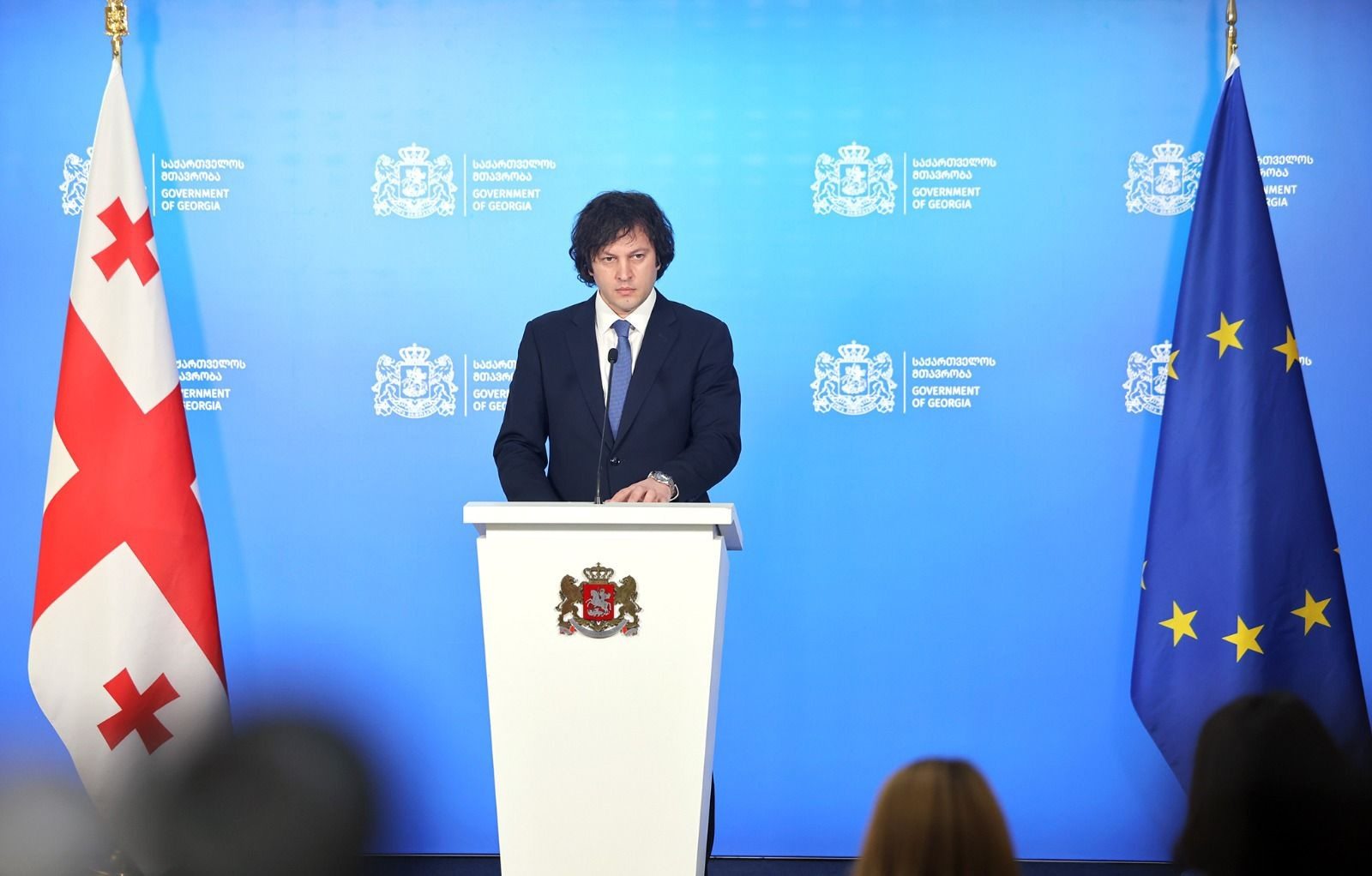
Georgia plans to increase its electricity generation capacity 2.5-fold by 2036 under a new 10-year energy development strategy, Prime Minister Irakli Kobakhidze said.
Speaking at an event marking Energy Workers' Day on Thursday, Kobakhidze said the government was working not only to maintain the country's existing energy capacity but also to strengthen the energy system and improve energy security.
“We have a very ambitious plan. According to this plan, generation in Georgia should increase 2.5 times by 2036,” Kobakhidze said, describing the target as ambitious but achievable.
Kobakhidze claimed reforms in the energy sector had been under way at the Economy Ministry for more than a year and had already produced “concrete, tangible results”. He said the impact would become more visible in the coming years as new energy facilities are developed.
The prime minister also thanked Economy Minister Mariam Kvrivishvili and Deputy Economy Minister Inga Pkhaladze, who oversees the energy portfolio, for their work on the sector.
According to the Economy Ministry, the government's 10-year plan envisages adding 4,000 MW of capacity in its first phase through solar, wind and hydropower projects. A second phase covering 2032-2036 envisages adding up to a further 2,750 MW, with a greater focus on large hydropower projects.
The strategy also includes upgrades to Georgia's electricity transmission infrastructure. The Georgian State Electrosystem is expected to require about €570 million over five years to integrate the first 4,000 MW of new capacity and acquire energy-storage batteries, while a further €400 million is expected to be needed for the 2032-2036 phase.
Kobakhidze said the government would seek new investment, strengthen energy infrastructure and promote modern technologies while making greater use of the country's energy resources.
He also highlighted the importance of skilled energy professionals, saying Georgia's current generation of specialists was continuing the engineering and professional traditions developed over decades.
The government's energy strategy has also placed emphasis on renewable generation and regional electricity exports. In May, Kvrivishvili said Georgia aimed to become energy self-sufficient by 2036 and noted its interest in exporting surplus electricity to Türkiye. The strategy also includes the development of the Black Sea submarine electricity cable and other transmission infrastructure.
Tags:
Irakli Kobakhidze