Georgia’s economy grew by 7.6% in the first eight months of 2026, PM

Author
Frontnews Georgia
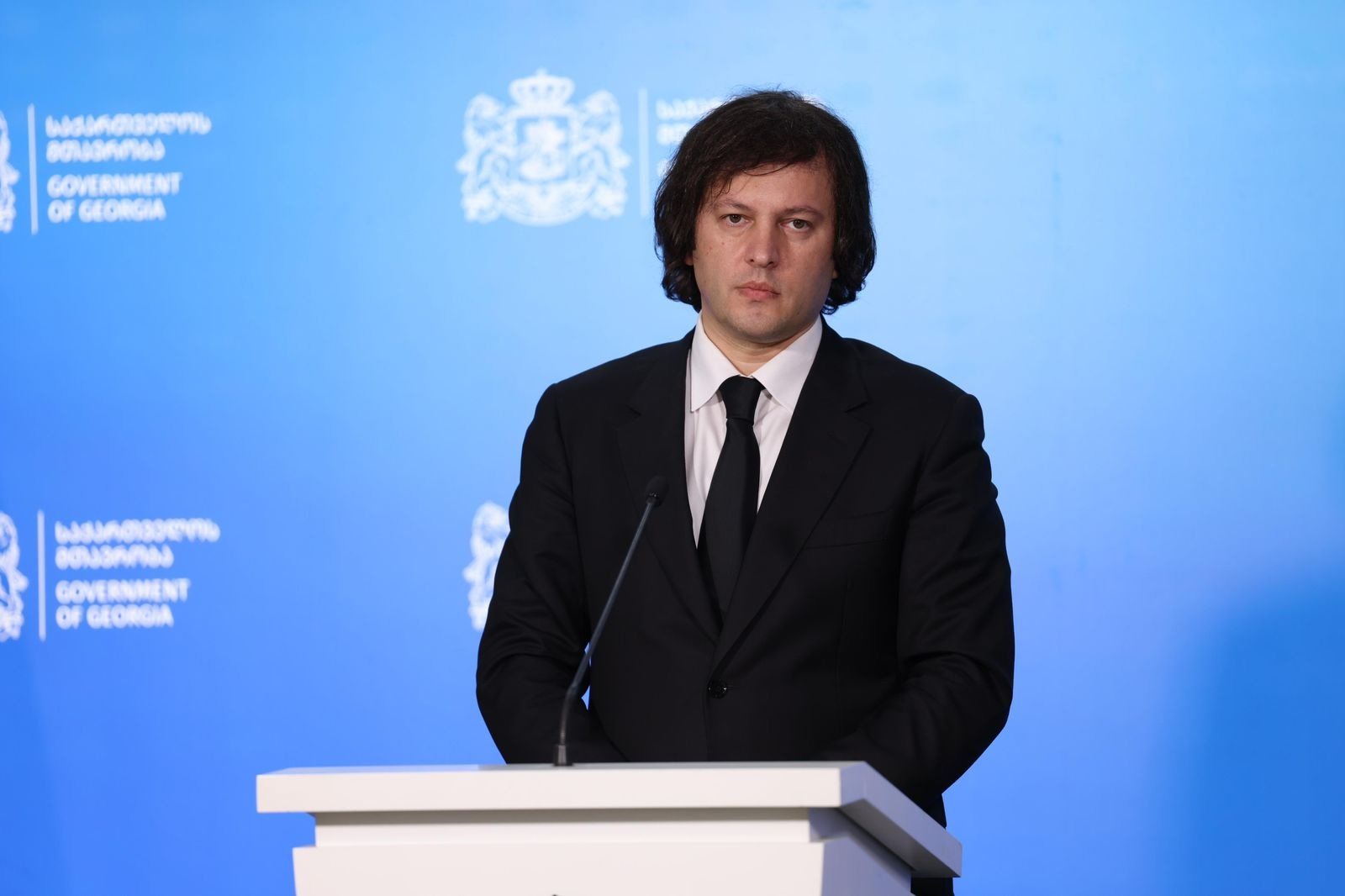
Georgia recorded average economic growth of 7.6% in the first eight months of 2026, Prime Minister Irakli Kobakhidze said at the leaders’ summit of the 17th Conference of the Parties to the UN Convention on Biological Diversity (COP17) in Yerevan.
Kobakhidze said the World Bank had recently raised its forecast for Georgia’s economic growth in 2026 to 7%, adding that the country was projected to record the highest economic growth rate among European countries over 2026-2028.
He said the government’s priority was to ensure that the benefits of economic growth reached rural and mountainous communities whose livelihoods depend directly on natural resources.
“We are turning protected areas, forest restoration and sustainable tourism into drivers of local development, so that nature conservation creates jobs and new opportunities not only in major cities but also beyond them,” Kobakhidze said.
He added that cross-border cooperation was essential to achieving long-term results, noting that shared ecosystems in the South Caucasus provided an important foundation for regional partnerships and sustainable development. Georgia, he said, was ready to work closely with neighbouring countries to protect their shared natural heritage.
Opening his address, Kobakhidze thanked the United Nations and the Armenian government for organising the summit under the theme Leaders for Nature.
He said Georgia was located in the Caucasus, a region of exceptional biodiversity, and was home to a wide variety of ecosystems and species. Its diverse landscape, including high mountain ranges, extensive forests and more than 26,000 rivers, made the preservation of natural habitats a major priority.
Kobakhidze said Georgia’s approach focused on protecting its natural heritage, maintaining ecological connectivity and restoring degraded ecosystems.
The country’s protected areas cover more than one million hectares, accounting for over 15% of its territory, he said. Areas protected under international biodiversity conventions bring the total share of protected land to 23% of the country’s territory.
Georgia’s natural heritage has also received international recognition, including the Colchic Rainforests and Wetlands, listed as a UNESCO World Heritage site, and UNESCO biosphere reserves.
Kobakhidze said Georgia supported the global target of protecting at least 30% of land and marine areas by 2030, stressing that effective management and long-term protection of conservation areas were equally important.
He also highlighted progress in forest restoration, saying that more than 7,000 hectares had undergone restoration or afforestation over the past decade. Georgia aims to carry out similar work across at least 20,000 hectares by 2030, he added.
The PM noted the country was also making progress in restoring threatened wildlife species, with programmes targeting six priority species demonstrating the importance of sustained, long-term conservation efforts.
Kobakhidze linked biodiversity to Georgia’s history, cultural identity and agricultural traditions, highlighting the country’s 8,000-year history of winemaking, supported by archaeological evidence. Georgia is home to more than 500 indigenous grape varieties and the traditional qvevri winemaking method, which UNESCO has recognised as intangible cultural heritage.
He also pointed to Georgia’s ancient wheat-growing traditions. Of the 27 wheat species described worldwide, 14 are found in Georgia, including five endemic species, he said. Georgian wheat culture was recognised by UNESCO in 2025, highlighting the links between biodiversity, traditional knowledge and livelihoods across generations.
“Healthy ecosystems support agriculture, protect water resources, attract visitors and create opportunities for small businesses to grow,” Kobakhidze said, adding that nature conservation was not only an environmental responsibility but also an investment in economic competitiveness, job creation and long-term prosperity.
Tags:
Irakli Kobakhidze