Post-war outreach to Russians was driven by Georgia's national interests, UNM

Author
Front News Georgia
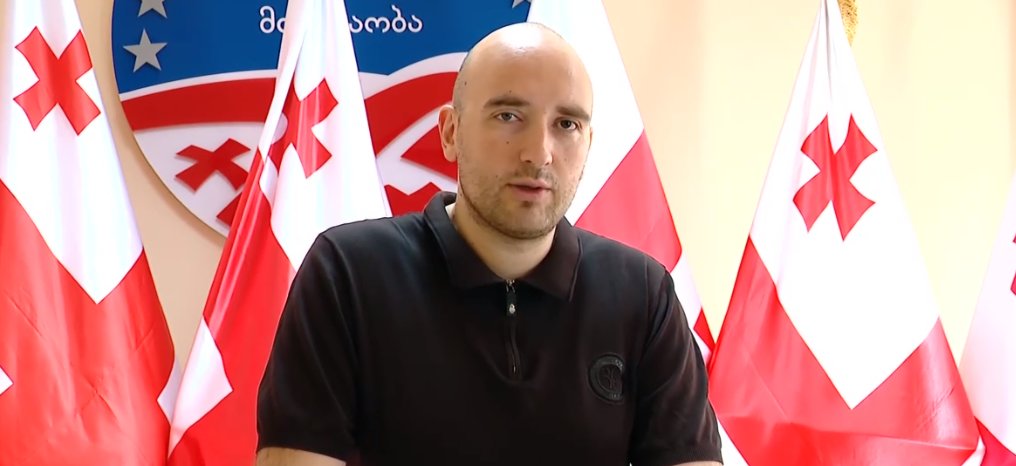
A senior official from Georgia's opposition United National Movement (UNM) has defended the party's post-2008 war policy towards Russia, saying efforts to maintain cultural and tourism links were necessary to demonstrate that Georgia was not acting aggressively despite Russia's military actions.
Speaking on Tuesday, UNM Deputy Secretary General Irakli Pavlenishvili was responding to criticism by Prime Minister Irakli Kobakhidze, who earlier accused the former ruling party of pursuing closer ties with Russia after the 2008 war.
Pavlenishvili rejected the accusations, arguing that former President Mikheil Saakashvili was internationally recognised for his opposition to Russian President Vladimir Putin.
"It is absurd propaganda," Pavlenishvili said, adding that officials whom he claimed had been praised by Russian Foreign Minister Sergei Lavrov and Foreign Ministry spokeswoman Maria Zakharova were now accusing Saakashvili of being soft on Russia.
According to Pavlenishvili, following Russia's military intervention and recognition of Abkhazia and Tskhinvali as independent states in 2008, it was in Georgia's national interest to demonstrate that Tbilisi was not pursuing an aggressive or xenophobic policy towards Russia.
He said the then-government was compelled to take steps, including in the cultural and tourism sectors, to project that message, arguing that the approach reflected the international political climate at the time rather than any shift in Georgia's strategic position.
The comments came after Kobakhidze alleged that the UNM had encouraged Russian tourism, investment and closer economic and cultural ties with Moscow in the years following the 2008 war, and claimed the party only adopted a strongly anti-Russian stance after Russia's full-scale invasion of Ukraine in 2022.
Tags:
Irakli Pavlenishvili