Parliament Speaker Papuashvili: violent protests left 72 people in prison, 45 released

Author
Frontnews Georgia
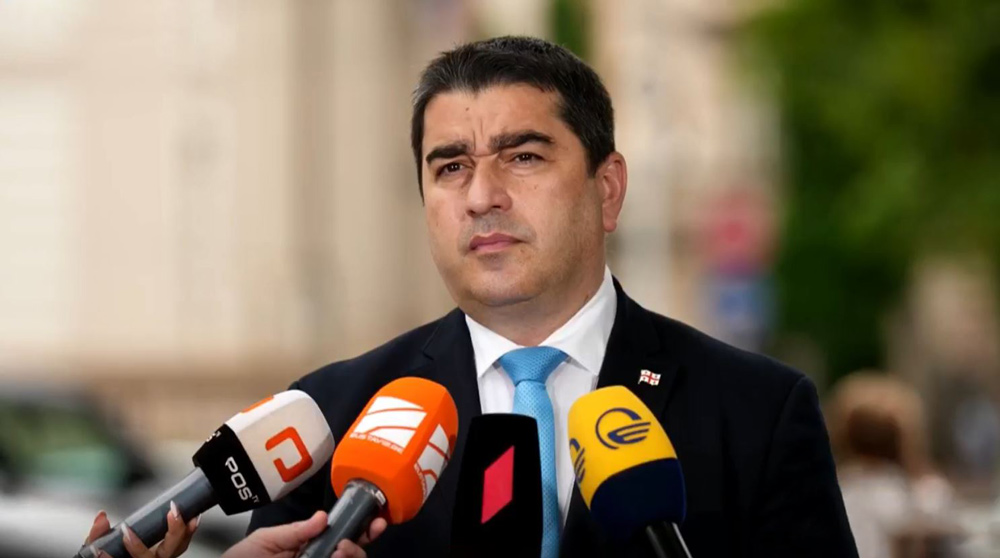
Some 100 people have faced criminal prosecution over offenses linked to the violent protests of 2024-2025, excluding those accused of organizing the violence, Parliament Speaker Shalva Papuashvili said on Thursday.
He argued that the protesters who remain imprisoned were used as “blind instruments” by political figures who encouraged them to break the law and later abandoned them.
Papuashvili claimed that 45 of those prosecuted are now free - some after admitting their offenses and reaching plea agreements, while others were pardoned by the president. Another 72 remain in prison, he said.
“The situation raises one main question: if the government’s goal is to keep these people in prison, as those speaking on their behalf claim, then why are 45 people free today?” Papuashvili wrote in a social media post.
He added those involved in the protests were encouraged to view breaking the law “in the name of revolution” as heroic and were then sent to the barricades, while those who promoted the movement remained behind them when the protests failed.
Papuashvili said the government does not consider the protesters political enemies, describing them instead as victims of manipulation.
“They were first used as soldiers at the barricades, and now they are being used as prisoner-victims,” he wrote.
He further added those facing prosecution have a legal path toward release if they acknowledge their actions, accept responsibility, admit to violating the law and undertake not to repeat such conduct.
Papuashvili also accused the protesters’ supporters of pressuring them to remain in prison in order to preserve them as political symbols.
“Their cry - ‘Freedom for the prisoners!’ – is increasingly taking on the opposite meaning: do not take responsibility, do not dare leave prison, stay until the end. We need not your freedom, but your imprisonment,” he wrote.
Papuashvili also argued that the narrative surrounding the protests had been defeated, saying that convictions had been issued and offenses admitted, while describing the protests as violent as no longer reasonably disputable.
He called the 72 people still imprisoned “prisoners of dishonesty,” arguing that they remain behind bars not only because of their own offenses but also because of those who encouraged them to violate the law and later abandoned them.
Tags:
Shalva Papuashvili