Georgia seeks OSCE chairmanship for 2027, FM Botchorishvili

Author
Frontnews Georgia
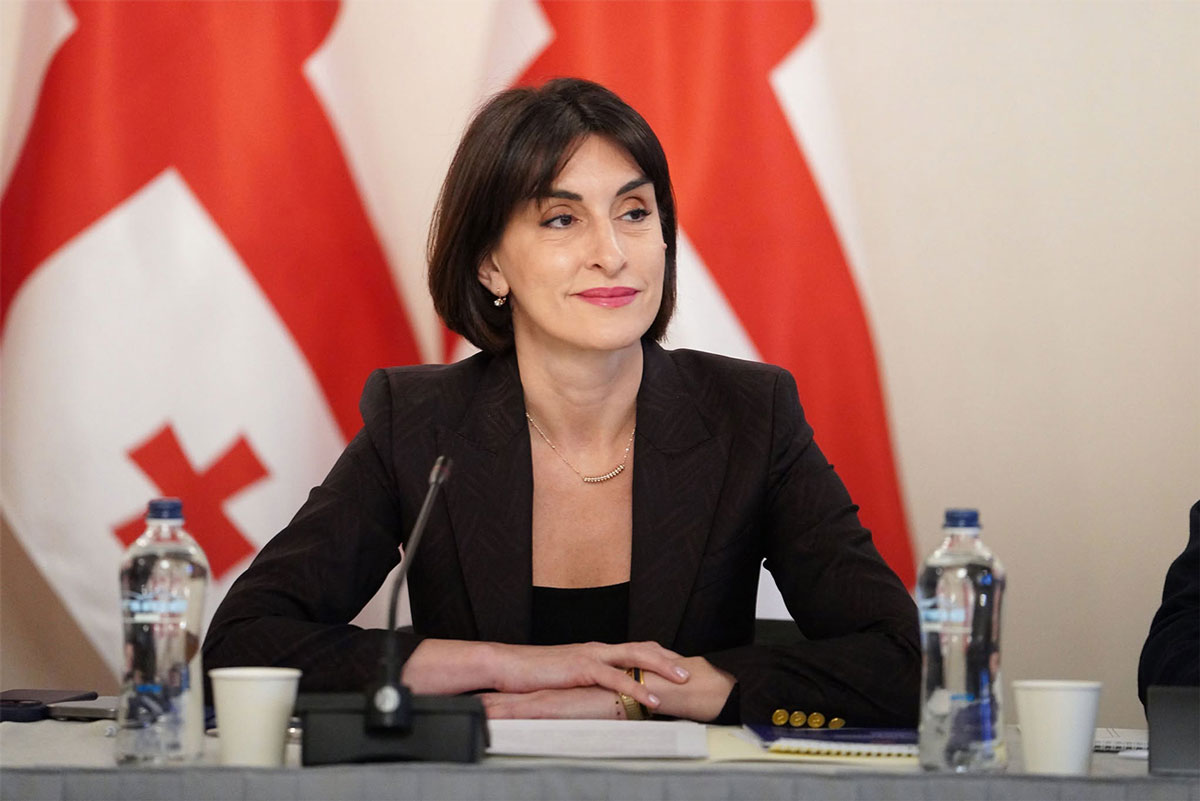
Georgia has formally applied to chair the Organization for Security and Co-operation in Europe (OSCE) in 2027 and is working with participating states to secure the consensus required for its candidacy, Foreign Minister Maka Botchorishvili said on Thursday.
Speaking to Imedi TV, Botchorishvili said Georgia submitted its candidacy earlier this year and had officially presented it in September during the UN General Assembly high-level week. Georgia is an OSCE participating state and has been a member since 1992.
She said the decision would not be straightforward because OSCE chairmanships are agreed by consensus, meaning Georgia must work with all participating states to secure support.
“We have to work with every participating state so that Georgia’s candidacy is supported,” Botchorishvili said.
Cyprus had previously been expected to take the 2027 chairmanship, but no consensus was reached on its candidacy. Botchorishvili said Georgia had deliberately refrained from actively campaigning until it became clear that Cyprus could not secure the necessary consensus.
She said Slovakia had publicly declared its support for Georgia’s candidacy, while Georgia was also aware of support from several EU member states through diplomatic discussions. However, she said she could not identify any country currently seeking to block Georgia’s bid.
“It is one thing to have positions on specific issues and another to chair an organisation working on security issues in Europe,” Botchorishvili said.
Georgia has said that, if elected, its priorities would include promoting dialogue, rebuilding trust, preventing conflicts and strengthening the OSCE’s role in security and cooperation.
Botchorishvili also stressed Georgia’s geographical position, saying no country from the South Caucasus had previously chaired the OSCE. Kazakhstan was the only chair from the broader Central Asian region, taking the position in 2010-11.
The OSCE currently has 57 participating states, making consensus a key requirement for major organisational decisions.
Tags:
Maka Botchorishvili