Pashinyan's election victory signals regional shift away from Russian influence, analyst

Author
Frontnews Georgia
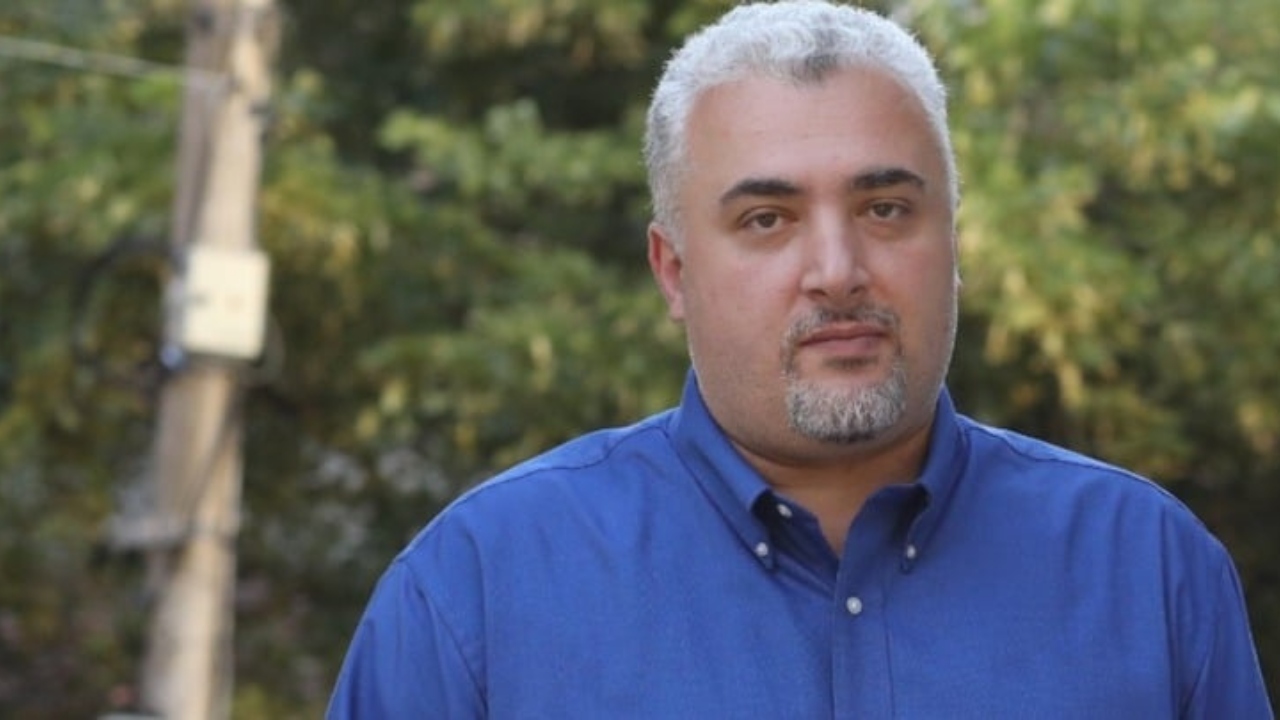
A parliamentary election victory for Armenian Prime Minister Nikol Pashinyan reflects a broader regional trend towards reducing Russian influence and pursuing a more independent foreign policy, diplomat and international relations specialist Sergi Kapanadze has said.
Speaking about the election results, Kapanadze said Pashinyan had secured a convincing victory and retained a governing majority, although he fell short of a constitutional majority in parliament.
According to Kapanadze, one of the key political questions in the coming months will be whether Pashinyan can advance constitutional changes sought by Azerbaijan, particularly regarding references to Armenia's Declaration of Independence that mention Nagorno-Karabakh.
He argued that Pashinyan won the election on a platform centred on peace with Azerbaijan, reducing Russia's role in Armenia and the South Caucasus, advancing European integration and implementing anti-corruption reforms.
Kapanadze said the Armenian leader had directly addressed issues including the country's dependence on Russia, regional isolation, the legacy of the Nagorno-Karabakh conflict, and the influence of oligarchic and religious institutions.
While noting that pro-Russian political forces are expected to remain represented in parliament, Kapanadze said Pashinyan had secured sufficient authority to continue the course he has set for Armenia.
He described developments in both Armenia and Azerbaijan as a significant regional shift, arguing that the governments of both countries are increasingly focused on reducing Russian influence, expanding independent policymaking, promoting regional openness and peace, and developing political, economic and transit projects in cooperation with Western partners.
According to the preliminary election results, four political forces will be represented in Armenia's National Assembly. Pashinyan's Civil Contract party is projected to hold 61 seats, followed by the Strong Armenia bloc with 28 seats, the Armenia bloc with 11 seats and Prosperous Armenia with five seats.
Tags: