Georgian PM blames ‘foreign-funded groups’ for collapse of Namakhvani HPP project

Author
Frontnews Georgia
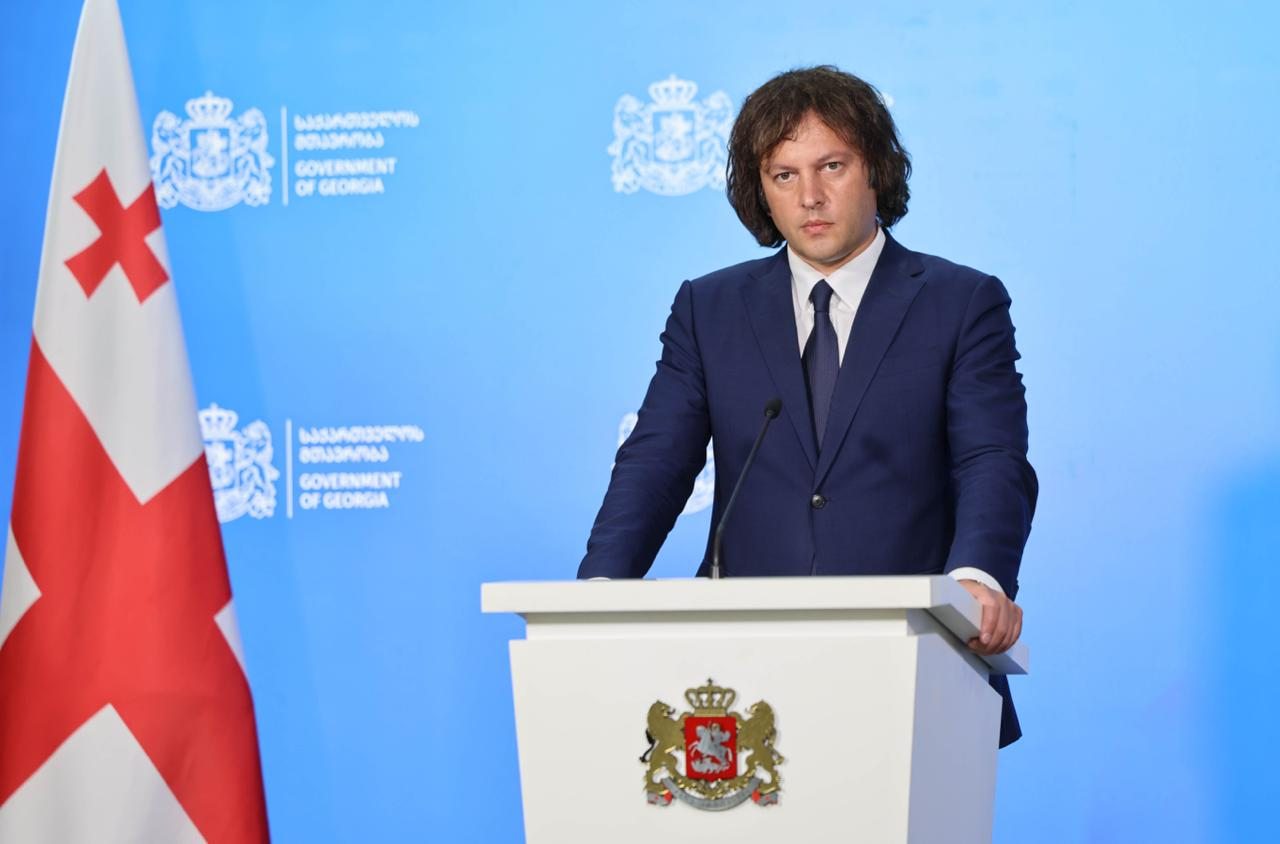
Georgian Prime Minister Irakli Kobakhidze has blamed “foreign agents” for the collapse of the Namakhvani hydropower project, saying protests against the project amounted to “direct sabotage”.
“There was direct sabotage, protests were organised without any grounds, and this was followed by the decision not to build the hydropower plant,” Kobakhidze told journalists on Thursday.
The PM claimed the state had been weaker several years ago, while what he called “foreign agents” had been stronger, and argued that the balance had since changed.
The Namakhvani project, awarded to Turkey-based ENKA in 2019, envisaged two hydropower plants on the Rioni River in western Georgia, with a combined planned capacity of 433MW. It faced months of protests by local residents, environmental activists and civil society groups, who raised concerns about environmental and social impacts, the project's contract and the transparency of the agreement.
ENKA notified the Georgian government in September 2021 that it was terminating the contract, citing breaches of contractual obligations and force majeure. The company subsequently ended the agreement, and the project was halted. Prolonged protests were among the force majeure circumstances covered by the contract.
Kobakhidze said NGOs funded by particular foreign sources had been involved in the protests and alleged that the organisations were backed by the “Deep State” and the “global war party”.
Asked whether Russian sources could also have been involved, Kobakhidze said that was possible but that he could not confirm it.
“There may have been such sources as well, I cannot tell you,” he said. “But I know, for example, where specific NGOs were funded from.”
He also suggested that companies importing electricity or other energy-related products could have had a financial interest in supporting opposition to the project, while acknowledging that this was a separate issue requiring further investigation.
Kobakhidze said the government would not allow similar developments to prevent major energy projects in the future.
“Today, foreign agents are much weaker and the state is much stronger,” he said. “Therefore, what happened several years ago will not happen today or tomorrow.”
The government has recently renewed its emphasis on expanding hydropower generation as part of a broader energy strategy. Kobakhidze said earlier this week that Georgia plans to increase electricity generation 2.5-fold by 2036 and develop three large hydropower plants alongside medium and small HPPs, wind farms and solar projects.
The Namakhvani dispute has also developed into a major international legal case. In September 2026, a US federal court ruled in favour of ENKA in its bid to enforce an arbitration award of about $350m plus interest against Georgia. The Georgian government has said it will appeal the US ruling, while the underlying arbitration dispute remains subject to proceedings in France.
Kobakhidze said the government would act responsibly regarding any compensation and would seek possible alternatives for the project, including through consultations with potential investors.
“We will try to find ways to look for an alternative, including through consultations with the relevant investor,” he said.
He also referred to Georgia's laws on foreign funding and foreign agents, saying their introduction had weakened the influence of foreign-funded organisations and strengthened the state's ability to prevent what he described as foreign interference.
Tags:
Irakli Kobakhidze